How to Build a Go Bag: Bay Area Edition
I personally researched every single item on this list and even bought a few of them in the process.

I personally researched every single item on this list and even bought a few of them in the process.
Have you ever wondered what you would do if a natural disaster struck your home? As climate change makes “once in a lifetime” natural disasters more and more common, it can be wise to invest in a go bag, also known as a bug-out bag or ready bag. A good go bag will enable you to evacuate your home in minutes with 3 days’ worth of supplies.
Here in the Bay Area, we’re blessed to be surrounded by jawdroppingly beautiful landscapes. But underneath these rolling hills lie ever-shifting tectonic plates. “The Big One” - an earthquake ranking 7.0 on the Richter Scale or above, the successor to the 1906 earthquake that decimated San Francisco - is estimated to have a 51% chance of happening in the next 30 years. Our nearby forests also pose a threat, as wildfires have devastated many regions on the West Coast in recent years. And those who live near the Bay itself or in low-lying areas may find themselves in potential flooding zones.
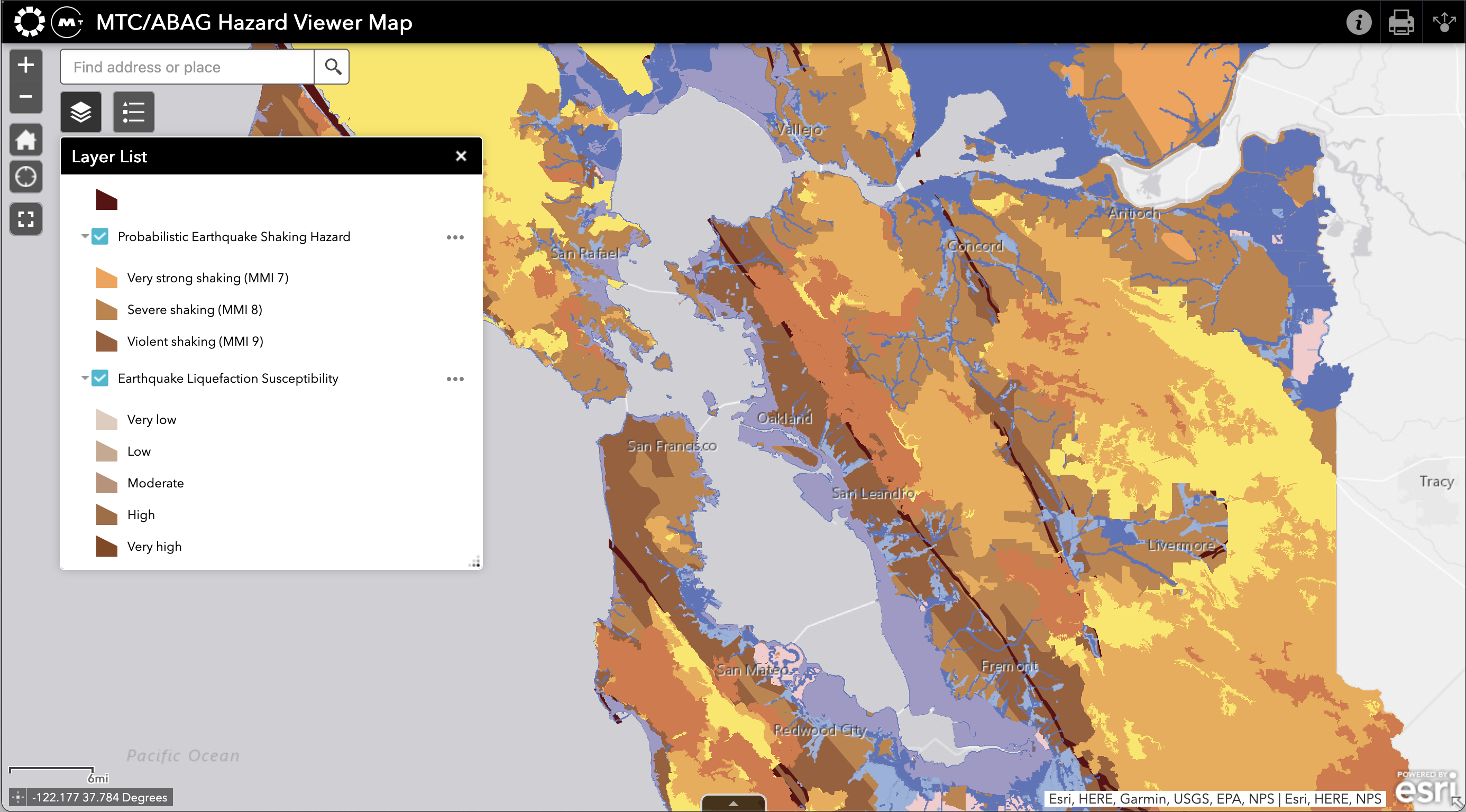
One tool to evaluate what types of disasters may impact your specific address is the MTC/ABAG Hazard Viewer Map. You can input your address and click on different map layers to show Bay Area fault lines, liquefaction risk, tsunami zones, wildfire risk, and more.
Choosing a Bag
One major consideration that will impact the rest of your decisions is the bag itself. It needs to be spacious enough to hold your supplies, but light enough to be able to carry for extended periods of time. Since “light enough” means different things for different people, I’ve assembled a variety of options:
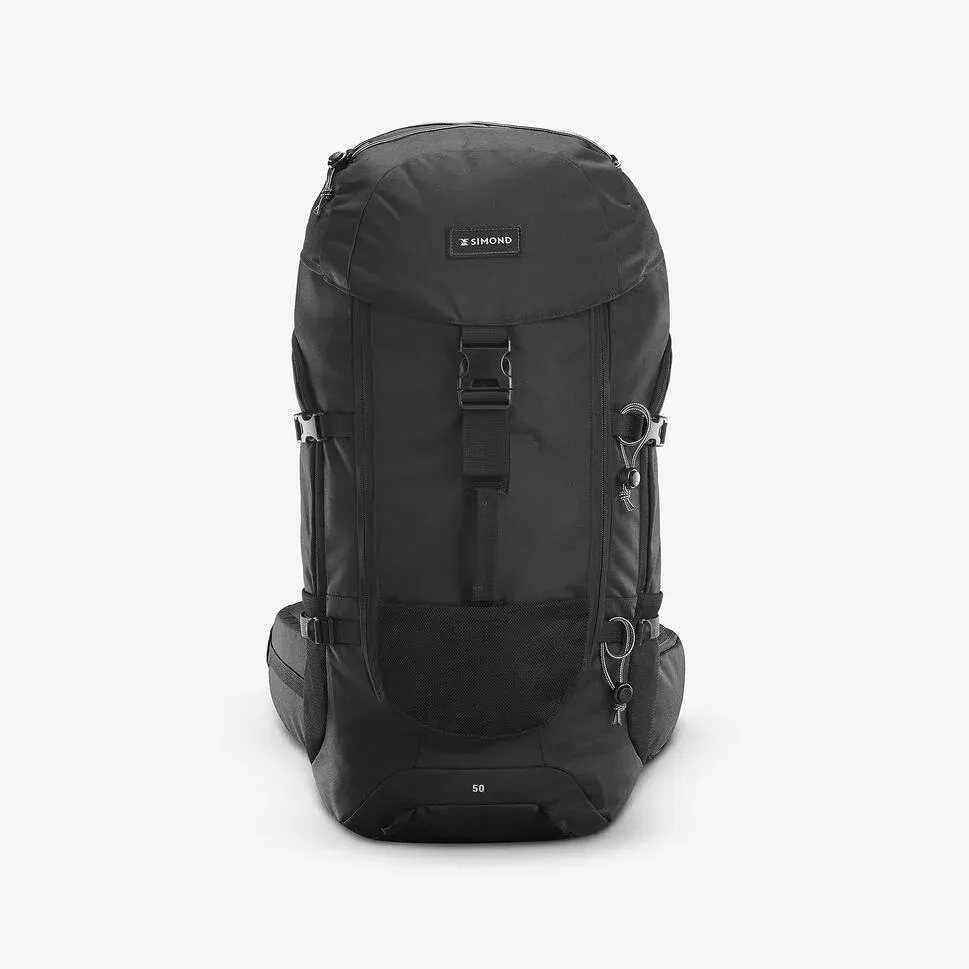
To confidently carry all the items in this guide, you'll need a 50 liter backpack like the Simond Travel 100 50L Backpack. Decathlon offers some of the least expensive - but still reliable - hiking equipment out there. For a backpack that (hopefully) won't be used too many times, it should more than suffice.
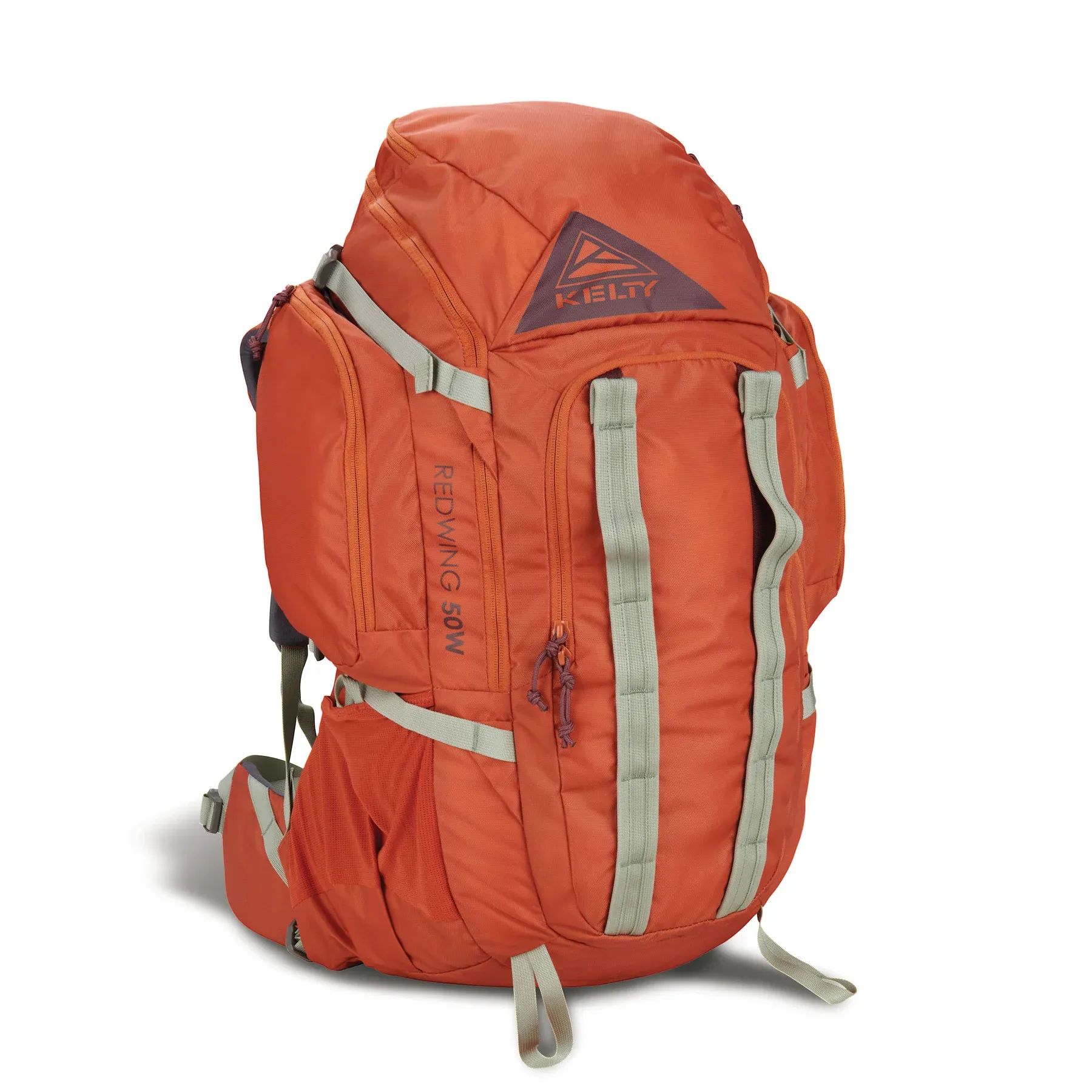
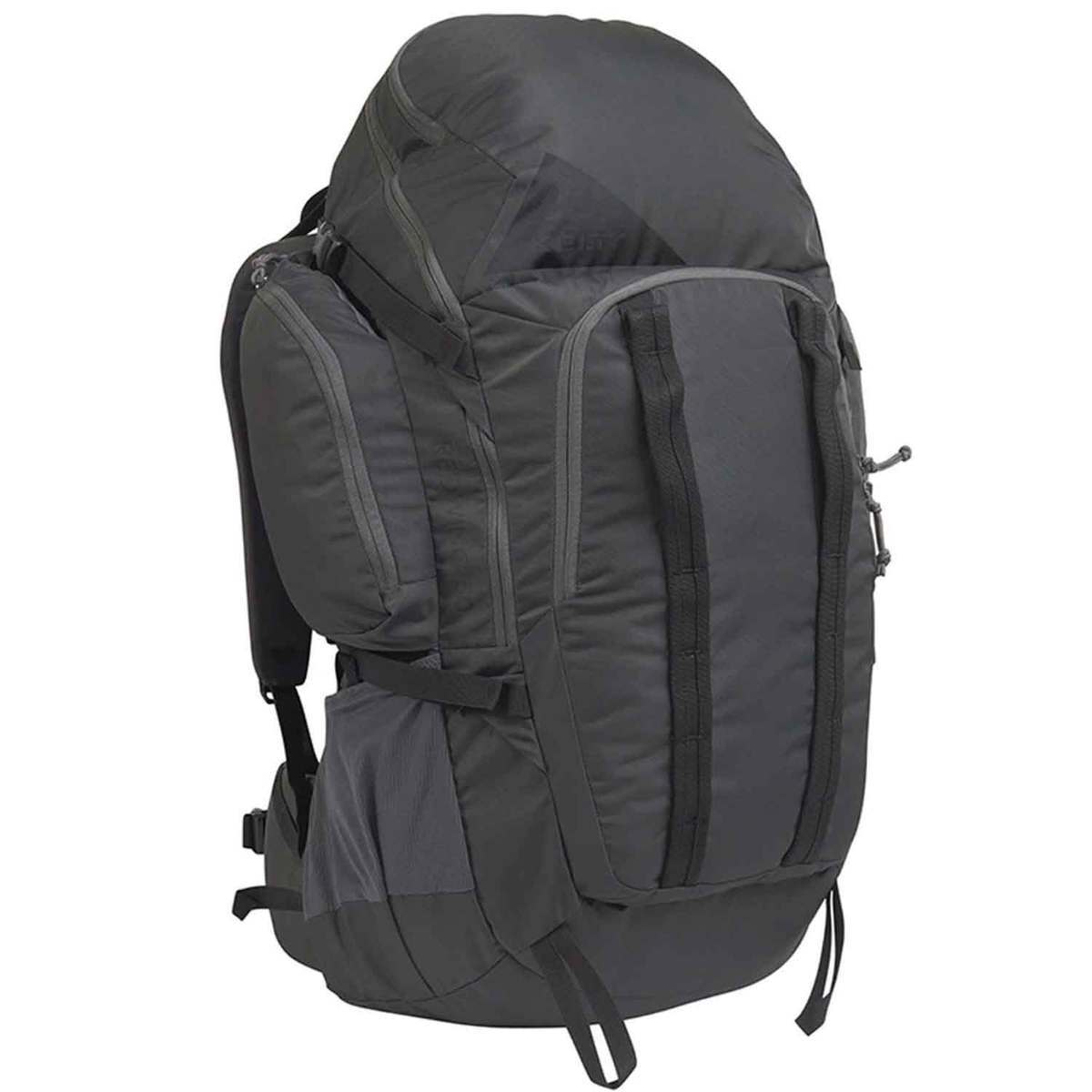
If you're set on something a bit more sturdy, consider the Kelty Redwing 50 (on sale in women's and men's versions). Its substantial side and front pockets provide easy access to your most crucial supplies.
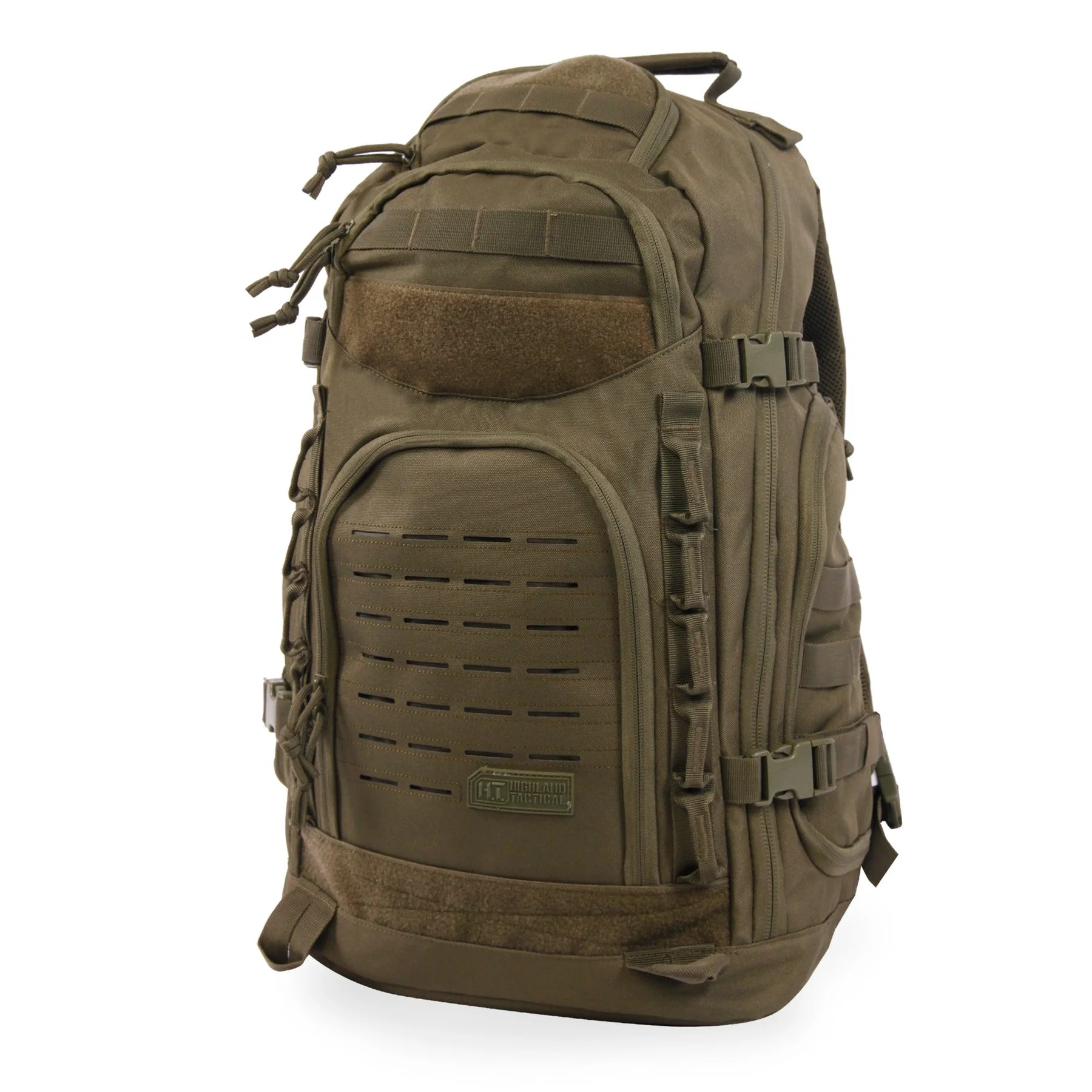
The Highland Tactical Foxtrot Backpack has a capacity of 38 liters, so it may require you to cut some of the items from this guide to save space. It's still a good option if anything larger would be too heavy. I like that it has compartments that unzip nearly all the way to the bottom of the backpack, allowing you to access the item you want without pulling everything else out. Highland Tactical sells the Foxtrot for $83.25, but Costco* is currently selling it for $44.99.
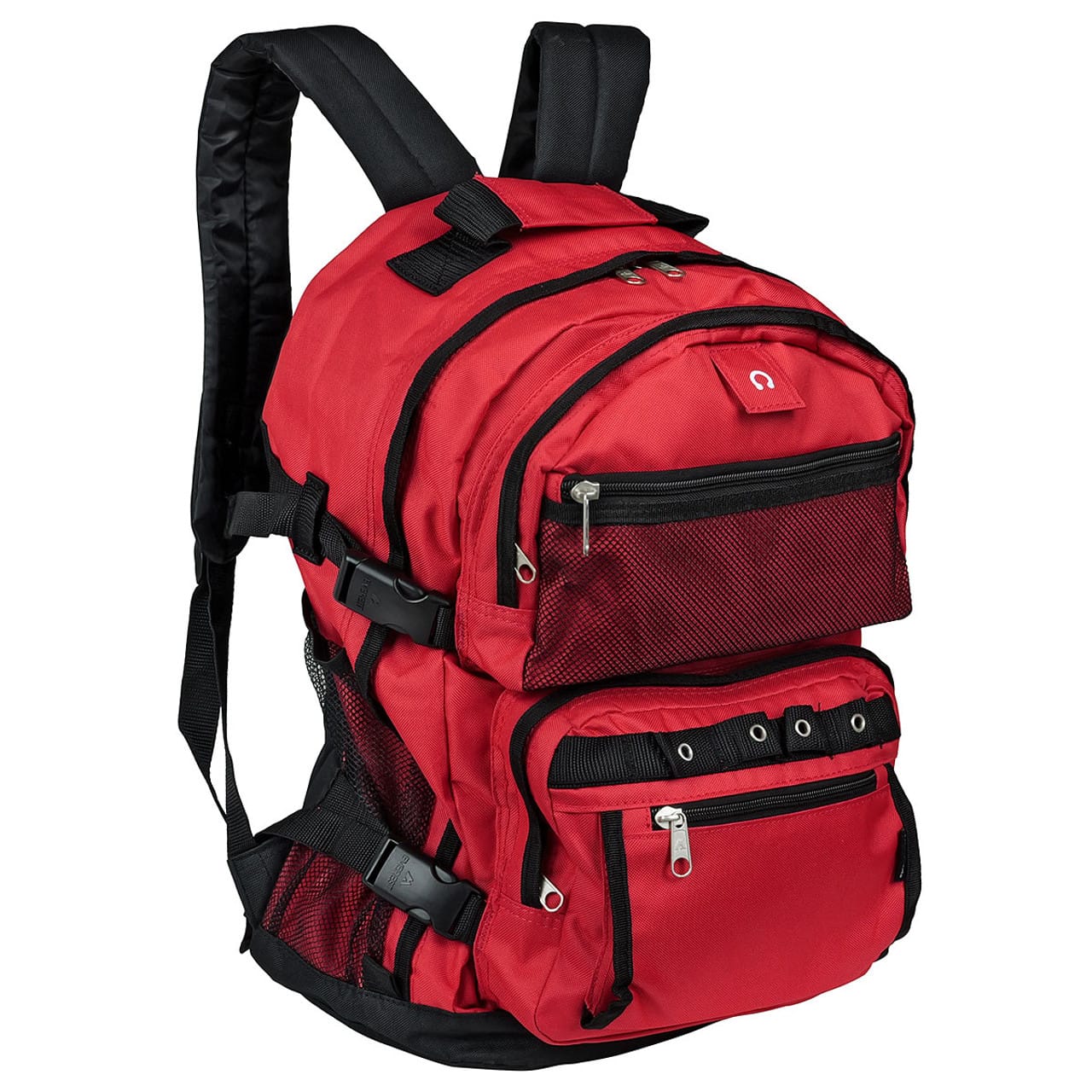
The Everest Oversized Deluxe Backpack also has multiple compartments that open wide for quick access to your supplies. It has a capacity of 30 liters and weighs 2.5 pounds. This backpack may not be able to fit every item in this guide, but if this size is what you can comfortably carry, it's still very much worth it.
Food and Water
Experts recommend having at least 1 gallon of water per person per day. I store water at my home in these 5 gallon canisters ($49.95), which Popular Mechanics ranks as the best overall water storage container for emergency preparedness. Since they are quite heavy when full, I’ve been recommending the smaller 2.6 gallon version ($44.95) to my friends.
However, even the 2.6 gallon canisters are much too heavy to carry around casually. Water bottles are much more suitable for go bags. Consider carrying multiple water bottles - one metal, and another collapsible.
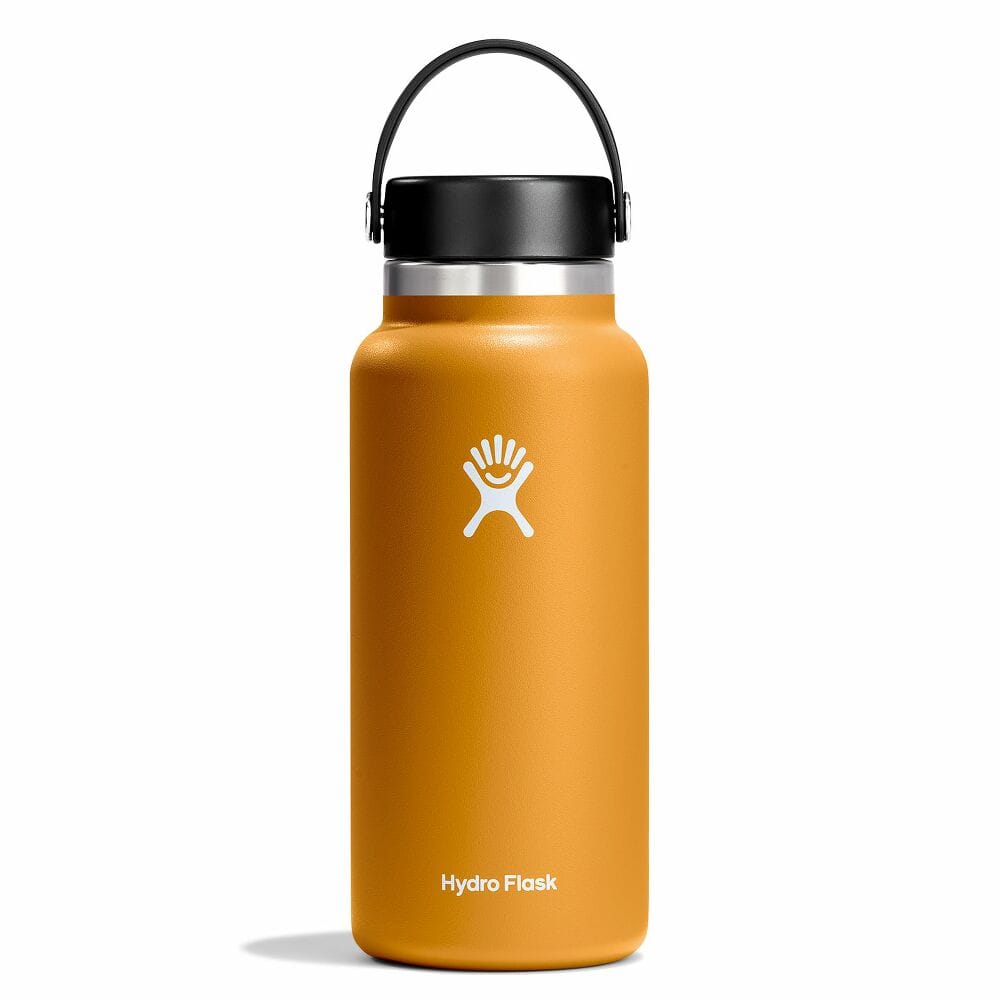
Outdoor Gear Lab ranks the HydroFlask Wide Mouth with Straw as the best overall bottle. The version without the straw - which I would choose for emergency situations, as the straw is finicky to clean - is currently 25% off.
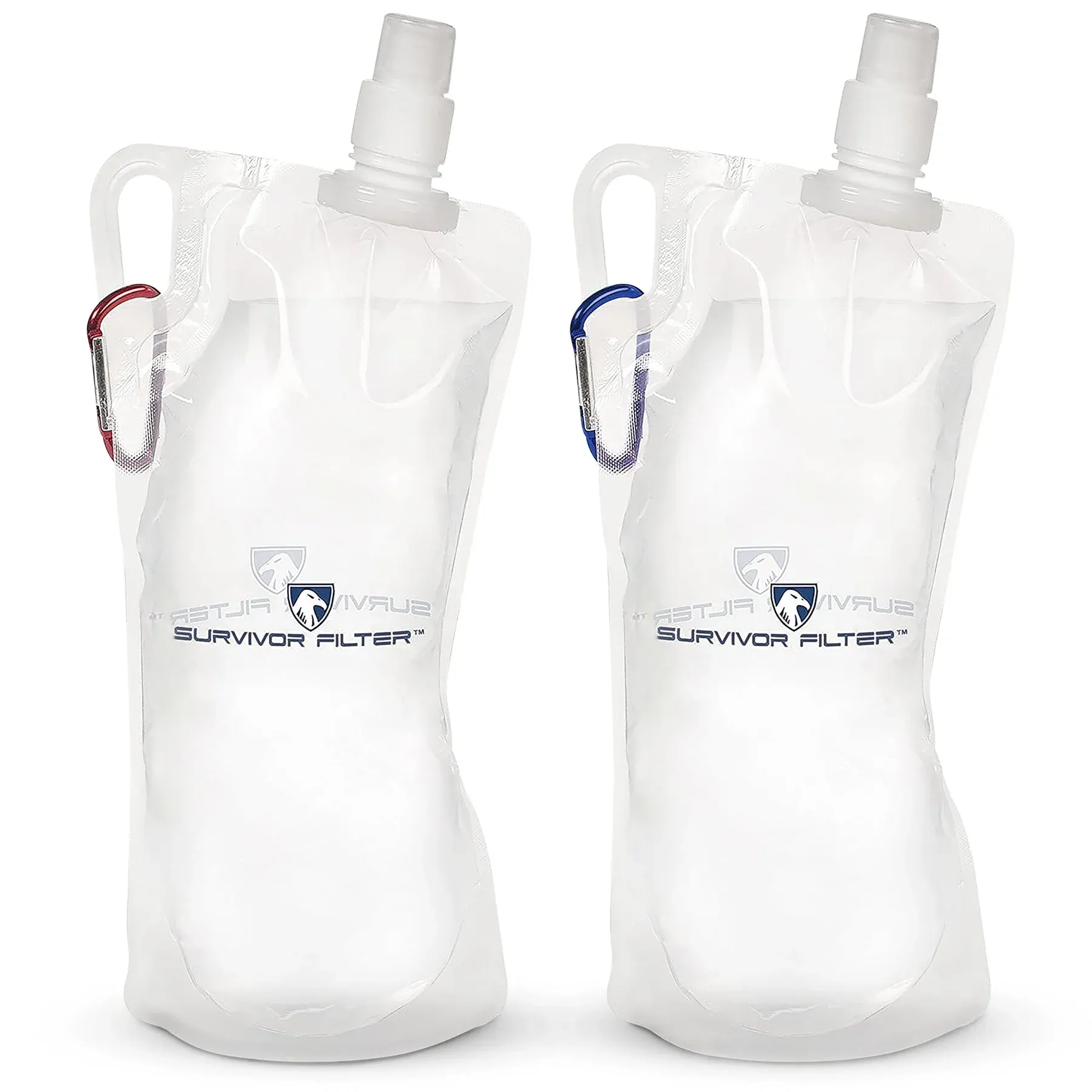
The Survivor Filter Collapsible Water Bottle ($24.95 for 2) is the Wirecutter pick for collapsible water bottles and is compatible with the water filter below.
Once you've run out of or had to leave the water you've stored in your home, available water sources may be contaminated. This is where a portable water filter and water purification tablets will come in handy.
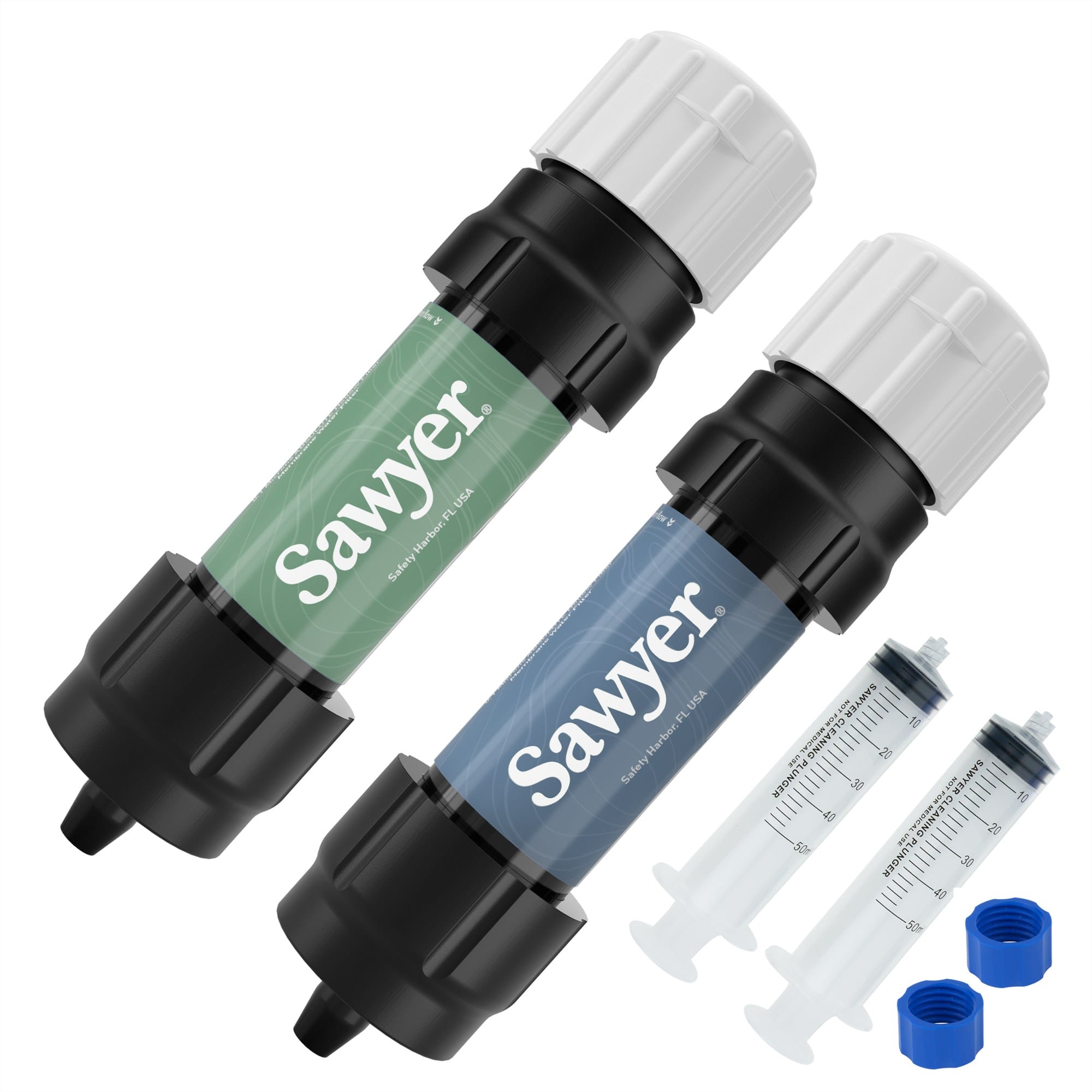
The Sawyer Mini Water Filtration System ($36.95 for a 2-pack) is recommended by both the Wirecutter and REI's Expert Advice guide. Weighing in at 1.4 ounces, it filters out bacteria, parasites, and microplastics. It attaches directly to a standard 28 mm water bottle opening or even to a hydration pack.
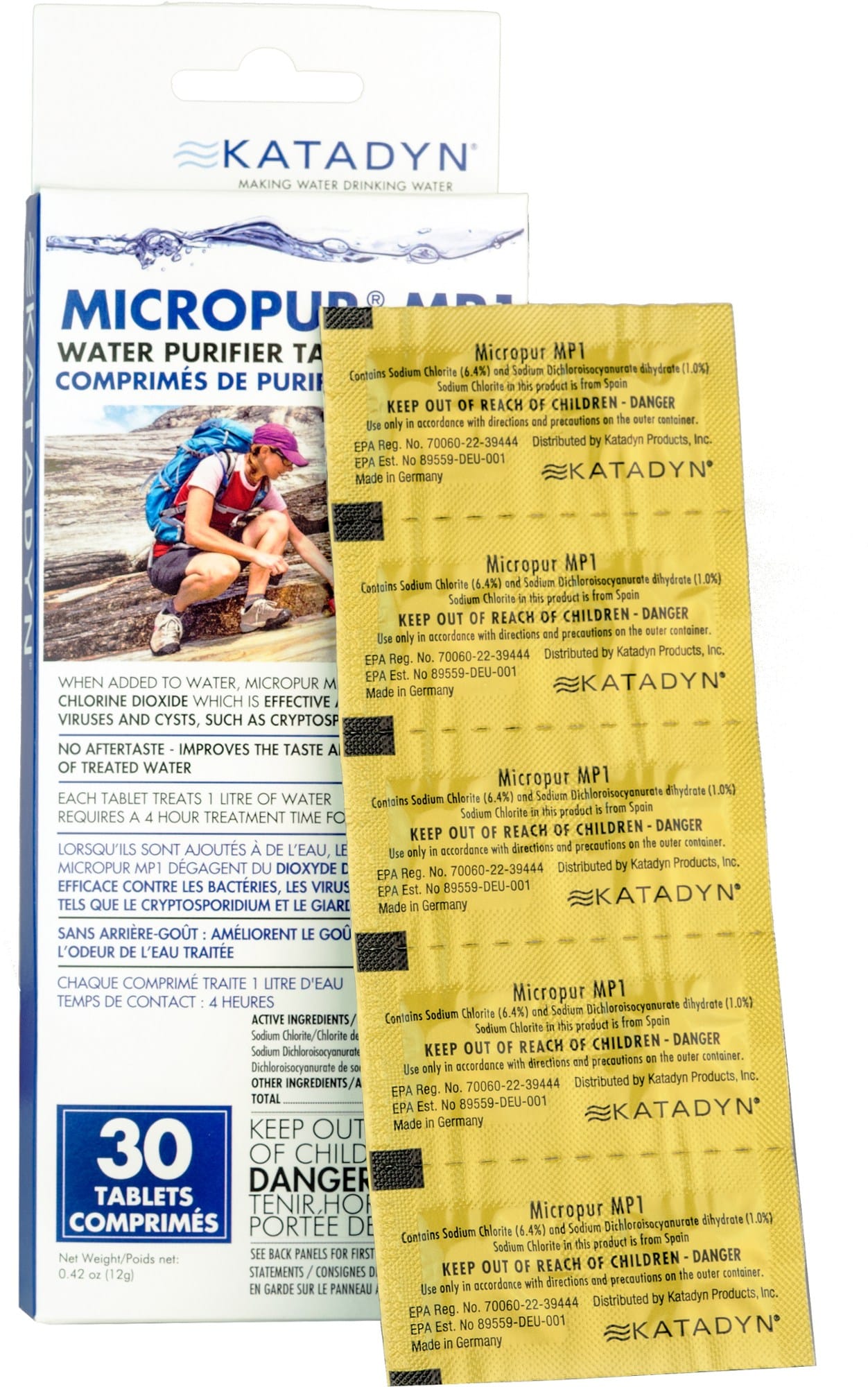
If you want to filter out viruses as well, you'll want to use water purification tablets like Katadyn Micropur MP1 ($17.95 for a 30-pack). However, this will take 4 hours and is only "somewhat effective" at killing Cryptosporidium, the parasite that is the most common cause of waterborne disease in the US. This means you'll still want to use a filter if you can.
For food, you’ll want to choose non-perishable and calorie-dense options. Assembling your own food supply will be especially important if you have dietary restrictions.
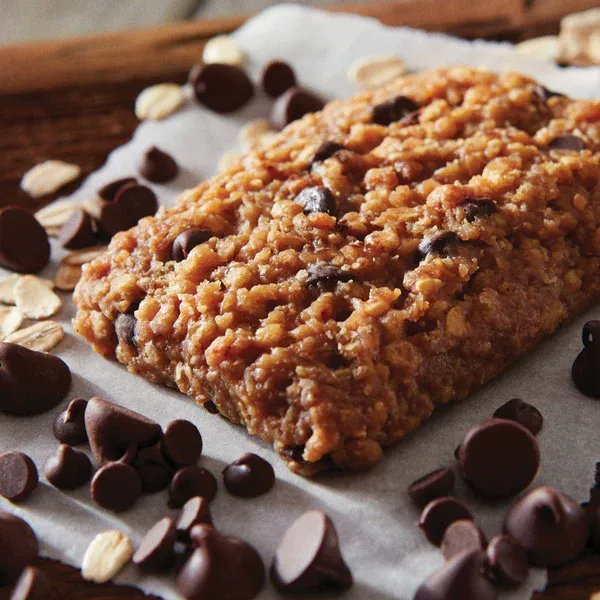
Clif Bars are a classic. Costco* has them cheaper than I've seen them in years.
Canned food is quite heavy and bulky for a go bag, so I wouldn't recommend it. But if you do stock up on some, don’t forget to pack a can opener.
Clothing and Shelter
In your go bag, you'll want an extra change of clothes. Because of the Bay Area’s unique geography, weather at nearby locations can be drastically different. Layering is crucial for handling microclimates. And out of all the places I’ve lived, the Bay Area has the most drastic daytime/nighttime temperature differences. Even when it’s moderately pleasant during the day, once the sun sets, it’s a totally different game.

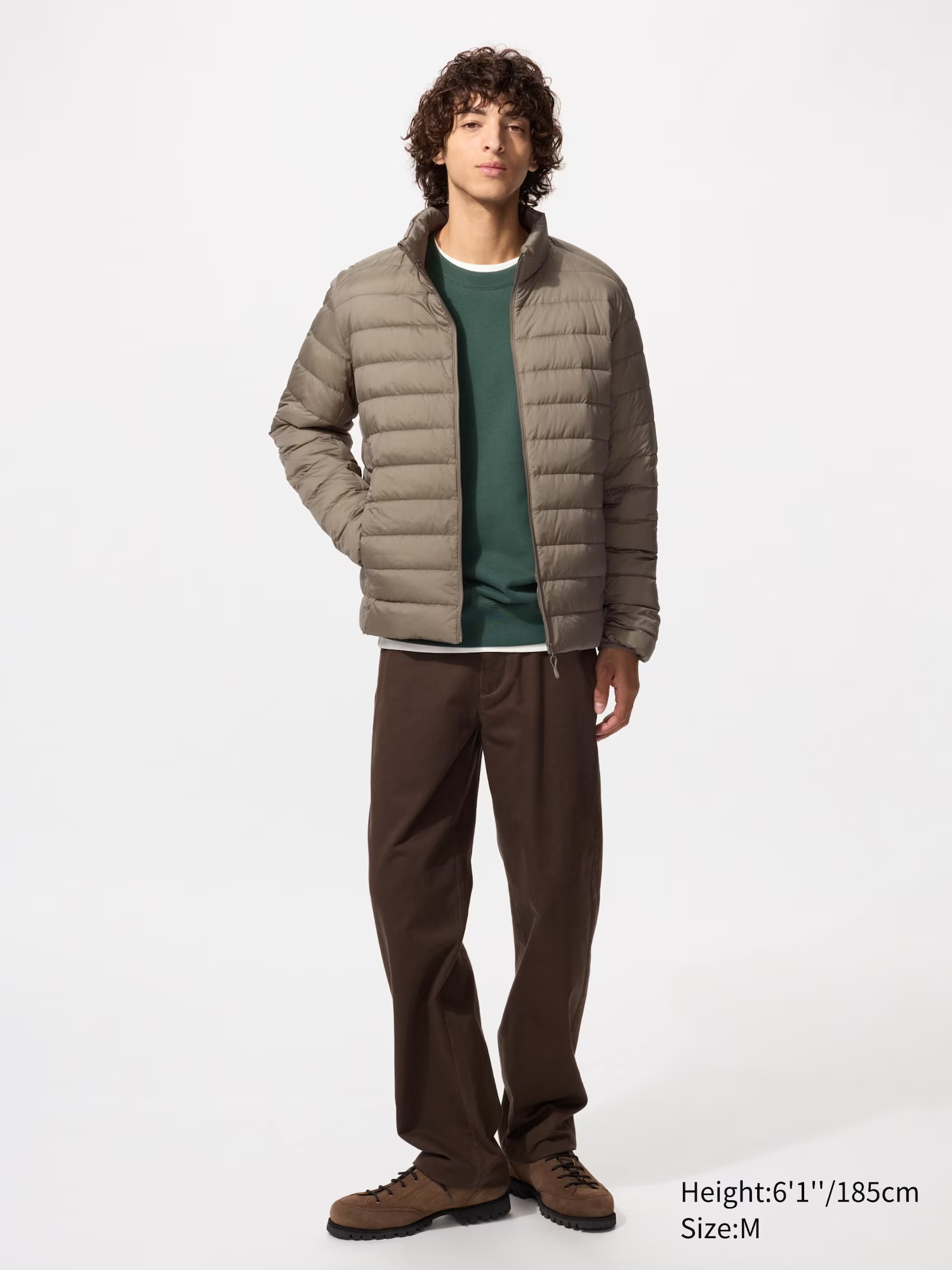
Uniqlo's highly packable down jackets have been beloved for years. They're currently on sale for $79.90 in men's and women's sizes. Keep in mind that Uniqlo runs small compared to most Western clothing brands.
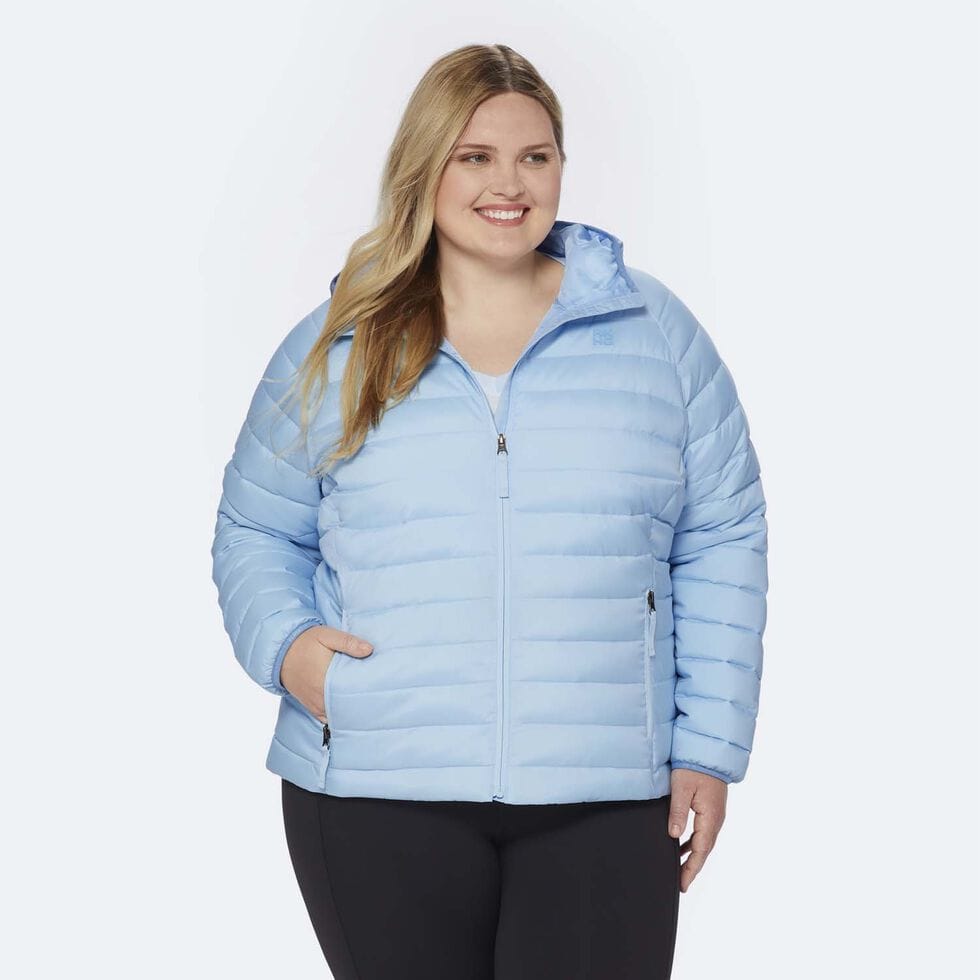
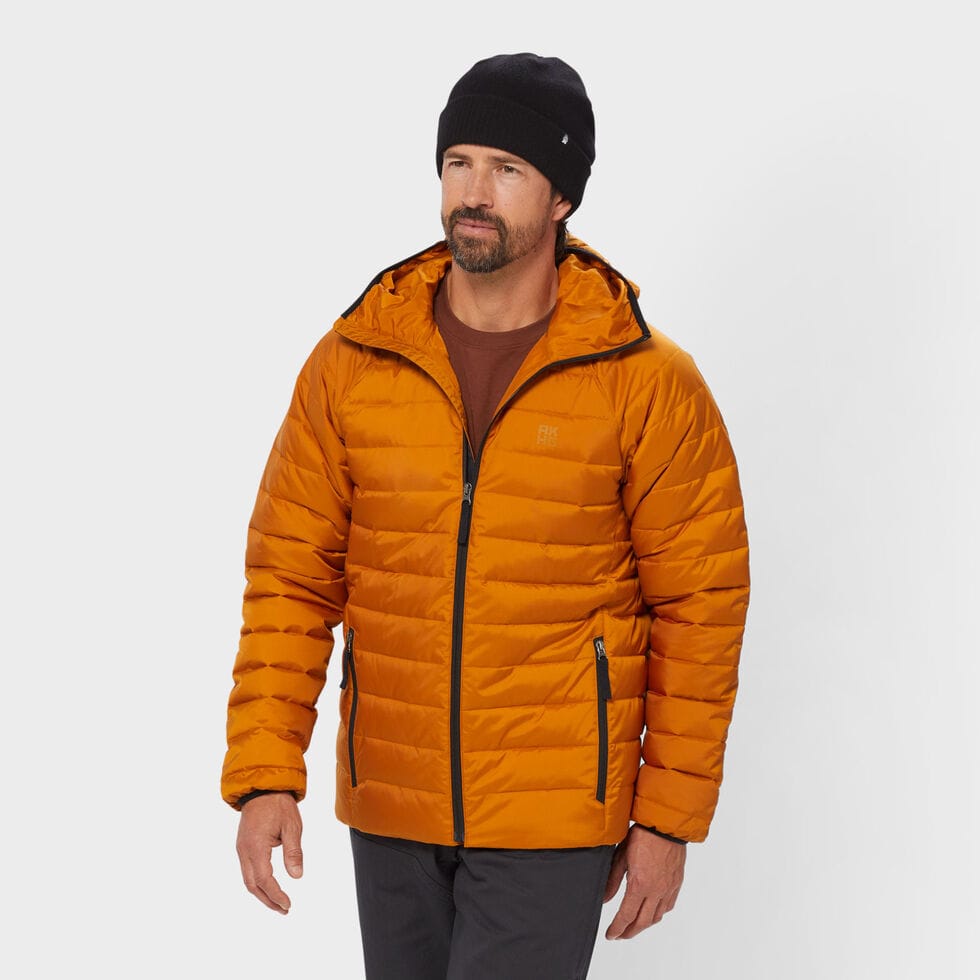
For a larger range of sizes, check out the Duluth Trading Company AKHG Puffin Hooded Jacket. These are on sale for $83.70 in women's and men's sizes up to 3XL. Unfortunately, they are not quite as packable as the Uniqlo jackets and don't come with their own stuff sack.
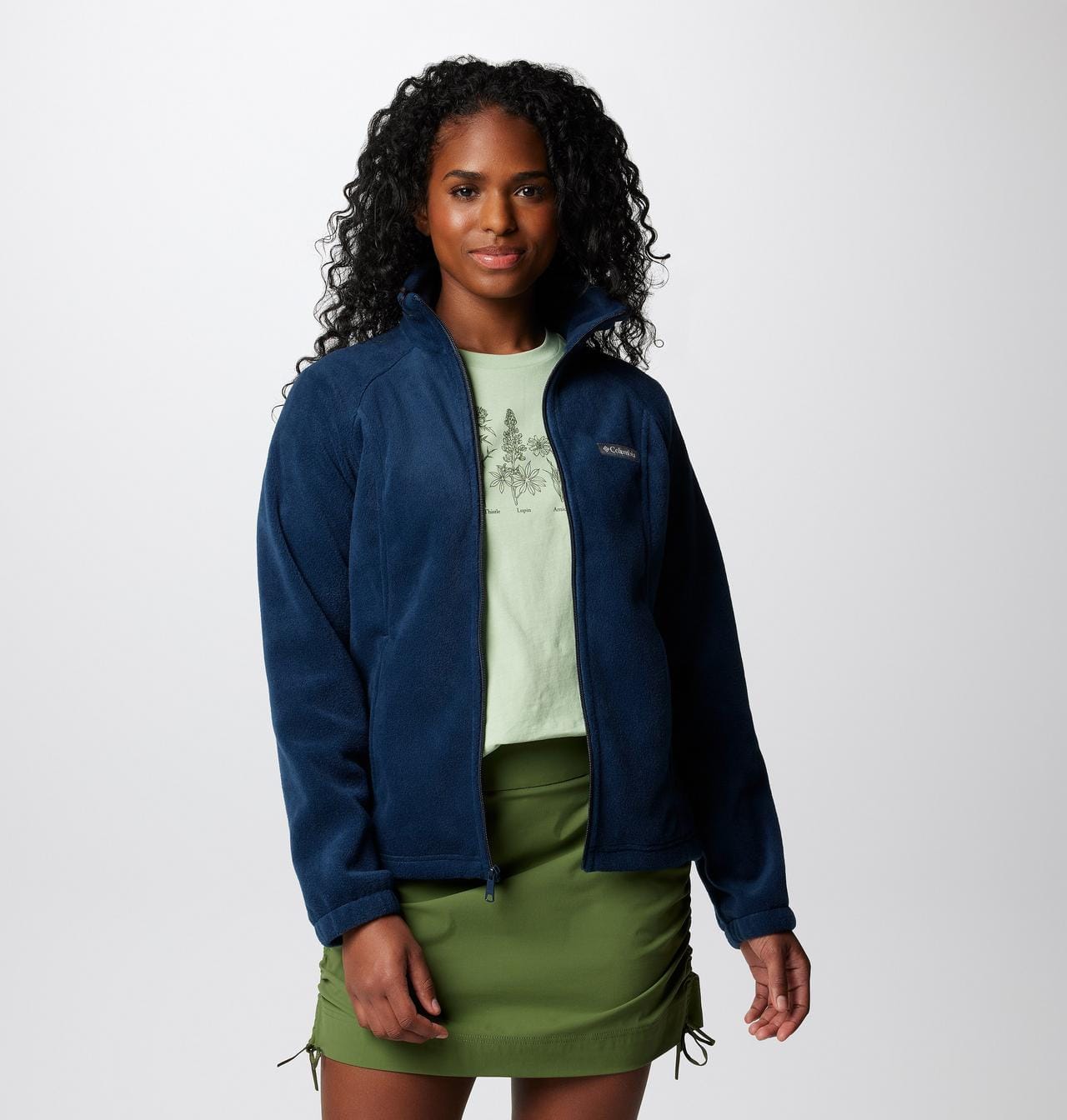
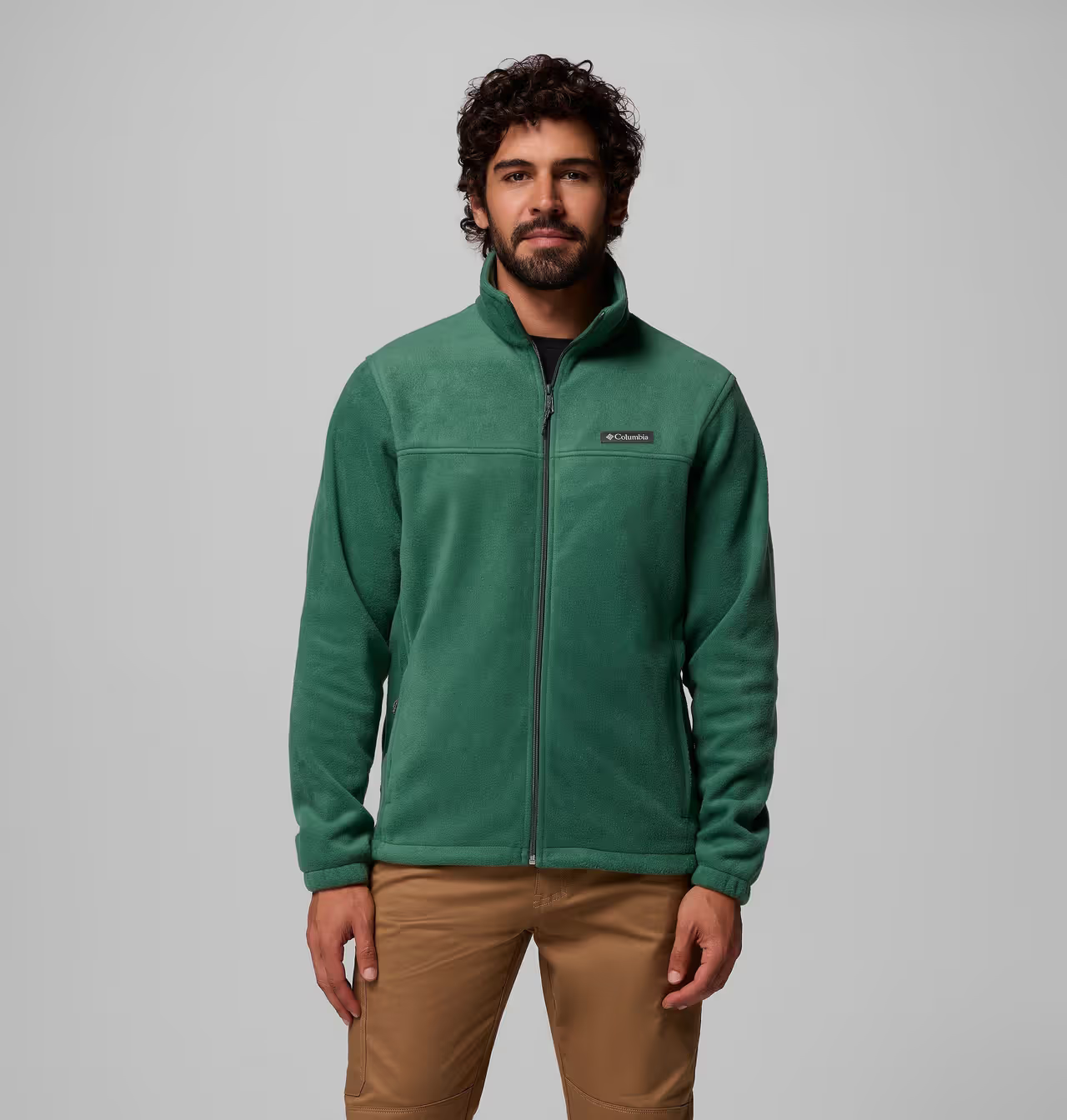
If you're not a fan of down, Columbia makes reliable and affordable fleece jackets in women's and men's sizes. These are currently 40% off, down to $39.
Since you may be crossing various types of terrain on foot, you’ll want some sturdy shoes and durable, breathable socks.
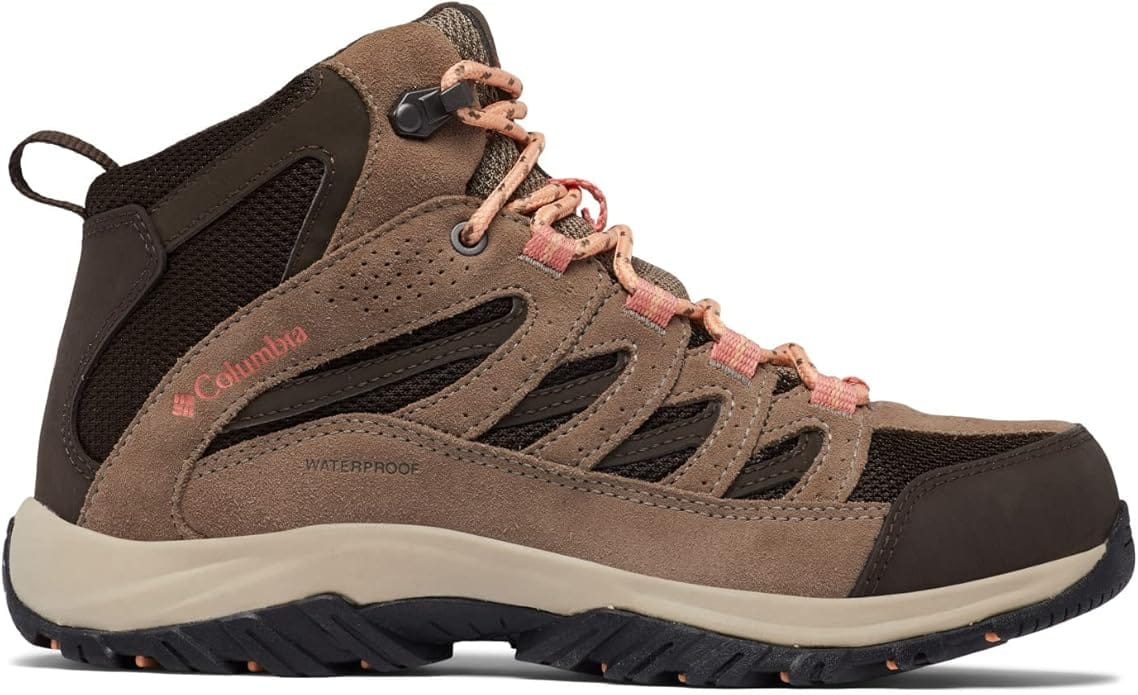
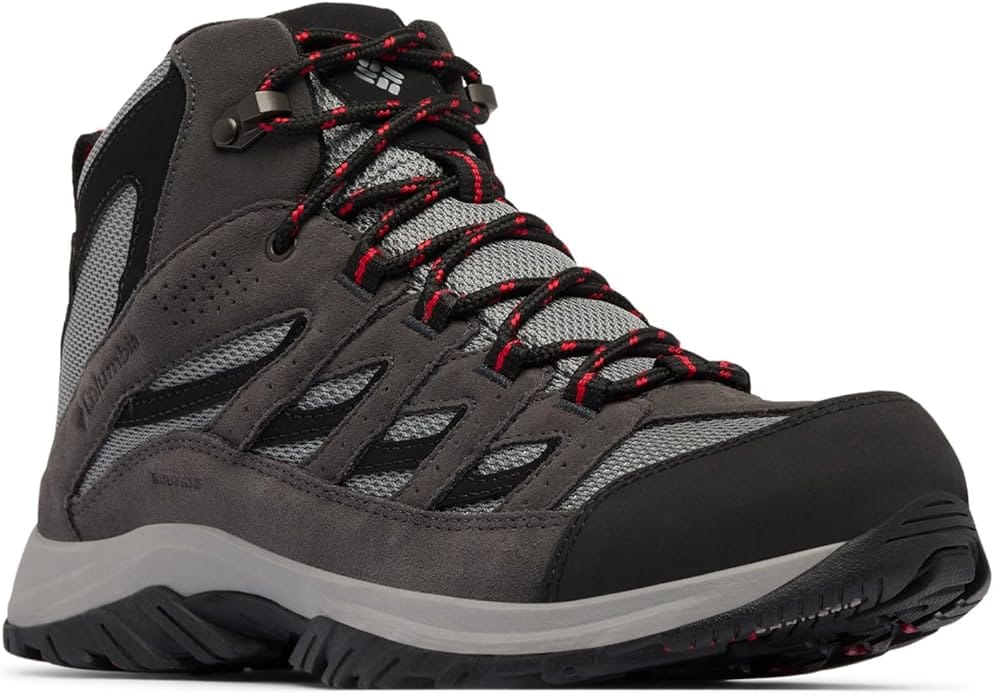
If you don't already have hiking boots and wouldn't use them heavily in your daily life, you may want to consider getting a pair of cheaper, but still effective, hiking boots. Outdoor Gear Lab rates the Columbia Crestwood Mid ($66.99) as the best women's hiking boots under $100. The men's version ($47.25), in certain colorways, is even cheaper.
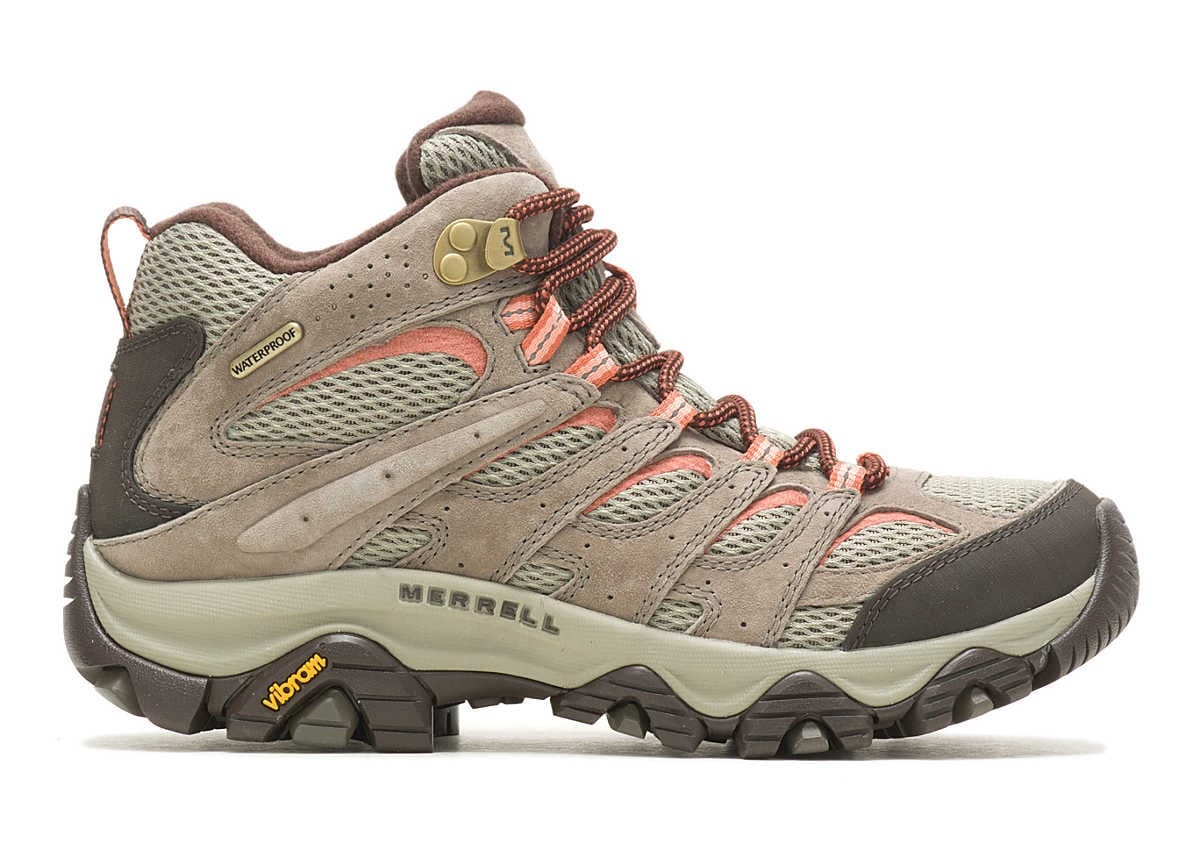
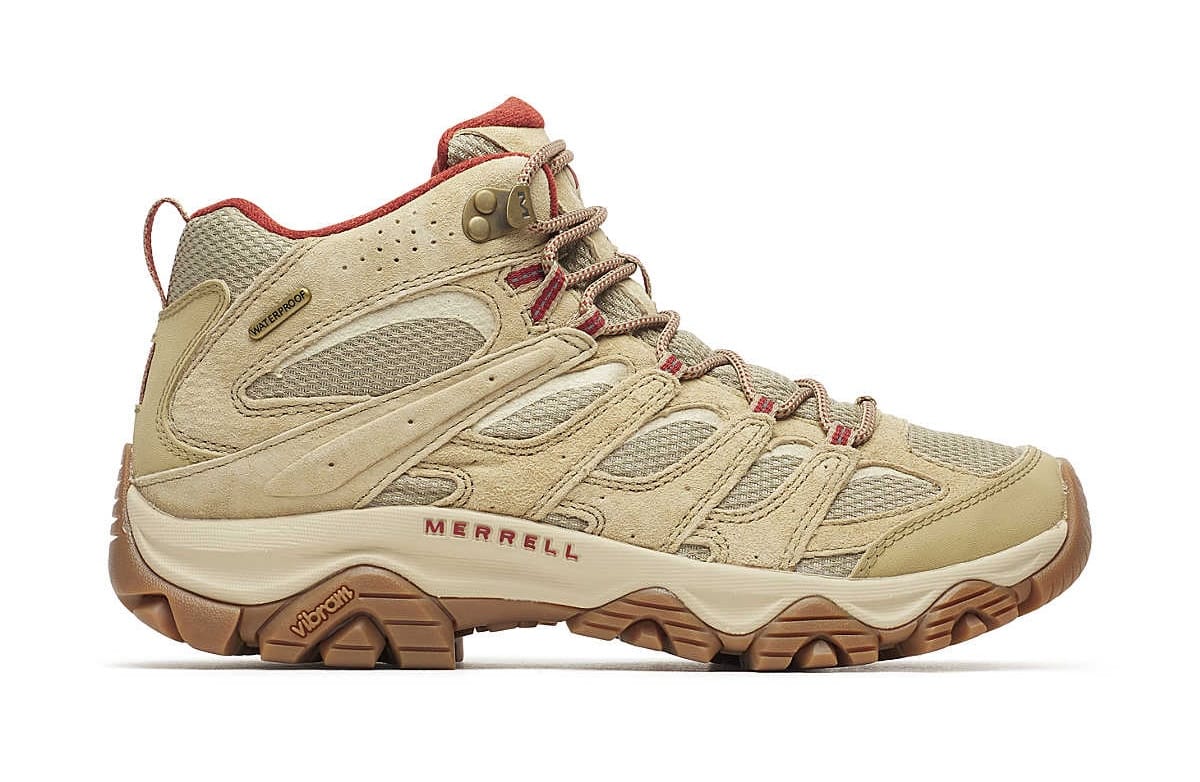
If you're willing to spend a bit more, Outdoor Gear Lab rates the Merrell Moab 3 as the best value hiking boot for both women and men. They're currently 30% off at Merrell's official site.
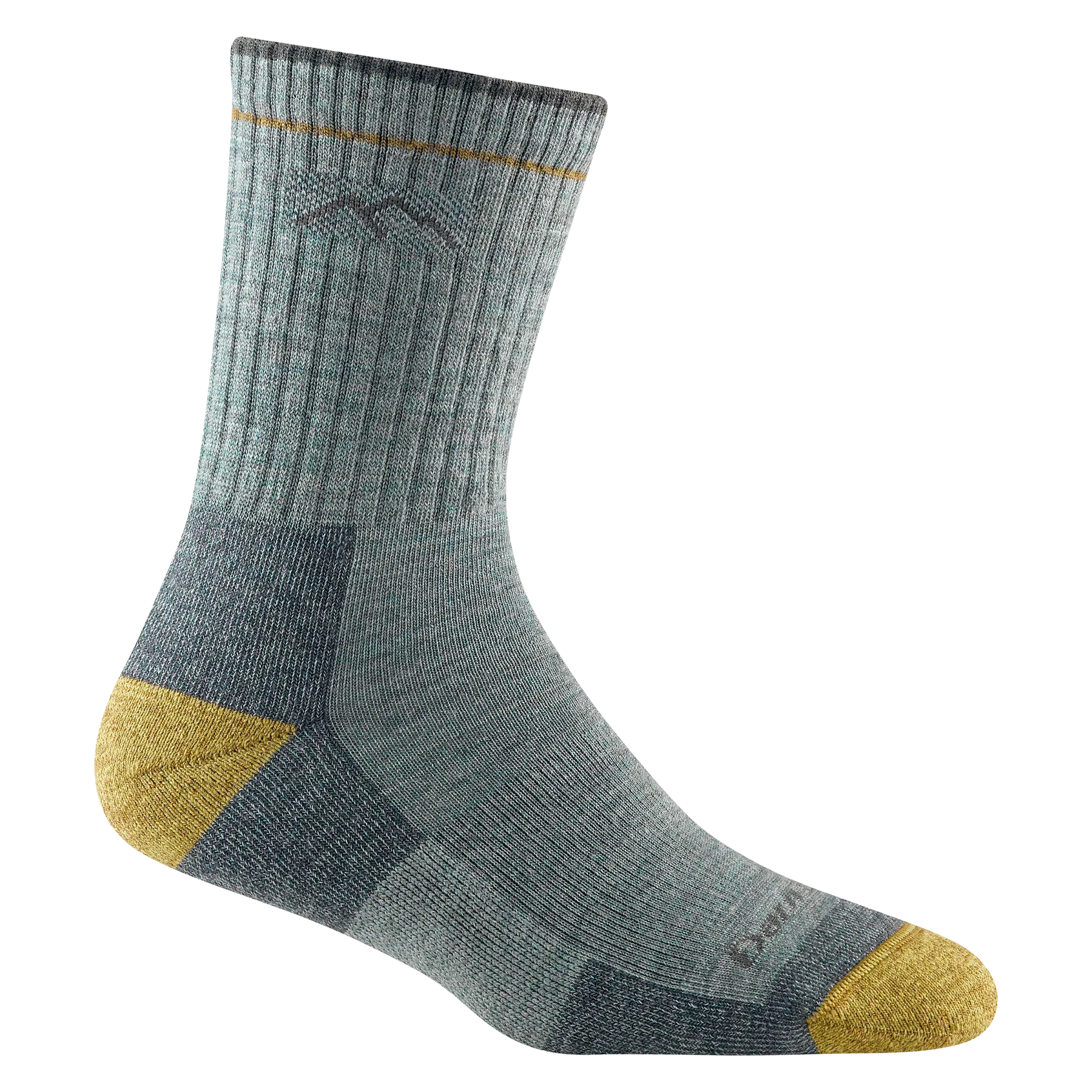
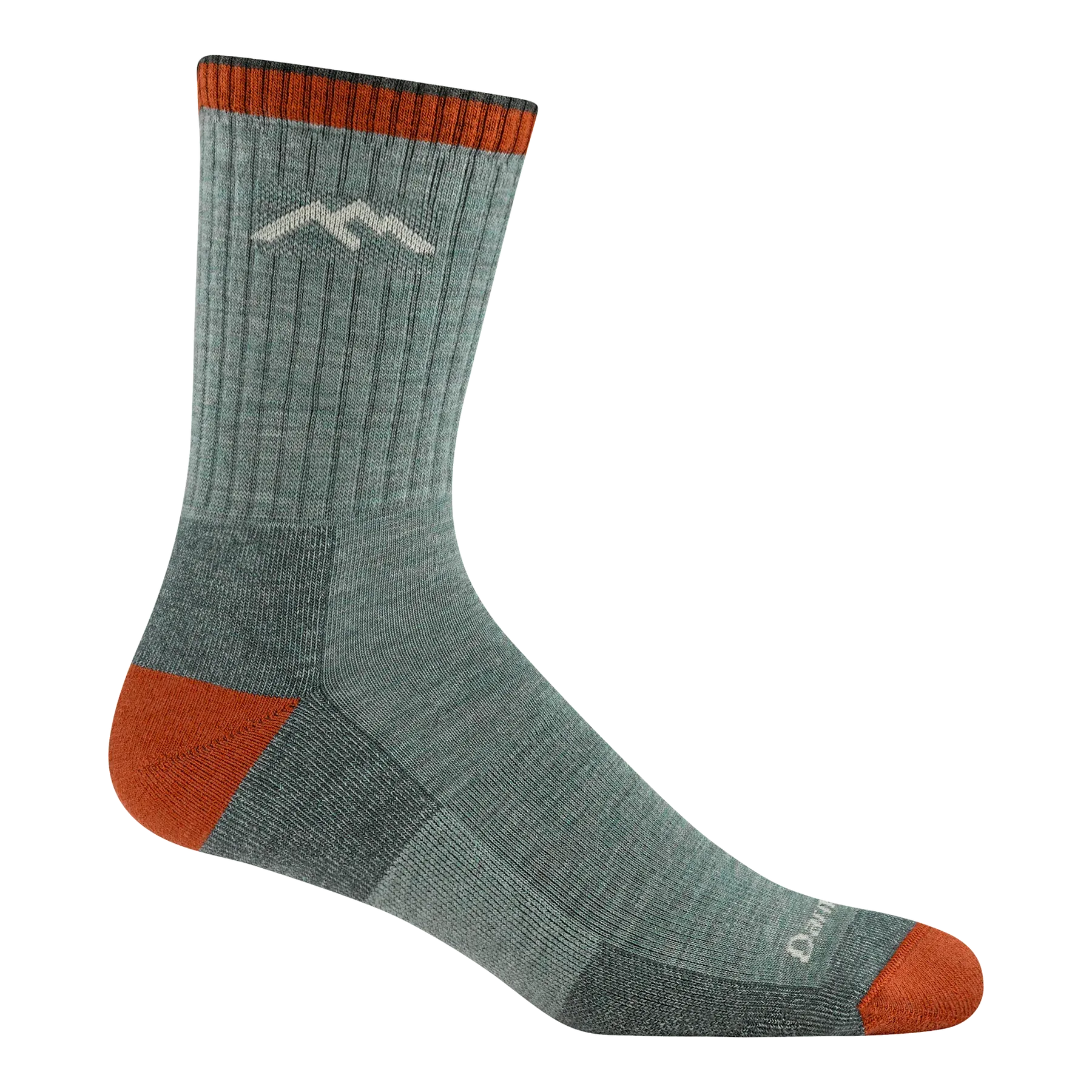
Darn Tough's socks are the most comfortable hiking socks I've ever tried. They are pricey, but come with a lifetime guarantee that if you wear a hole in them, you can get them replaced for free - even if you've lost your receipt!
When it's time to rest, an emergency blanket ($9.99) can help block the wind, but it won’t provide much comfort. A sleeping bag would be much more comfortable, but takes up a lot of space. I'd recommend something in the middle of those two extremes.
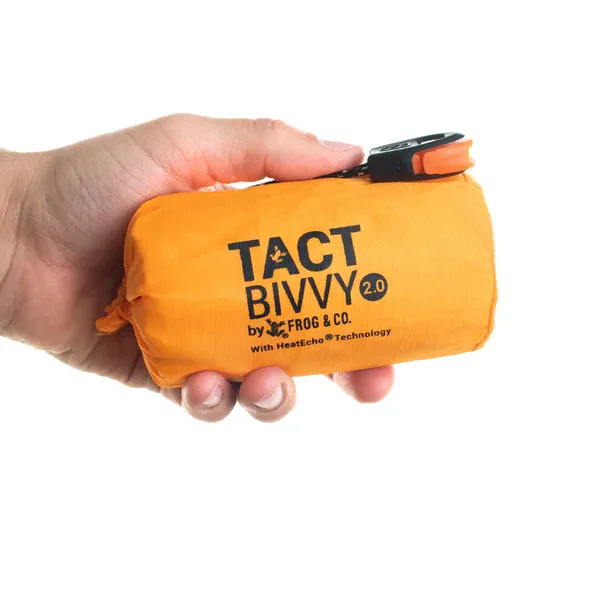
If you're only able to dedicate the minimum amount of space in your go bag to your sleeping situation, Survival Frog's Tact Bivvy weighs a mere 4.7 ounces and retains 90% of your body heat. However, Outdoor Gear Lab's testing revealed that it's more of a single-use bivvy because it tears easily.
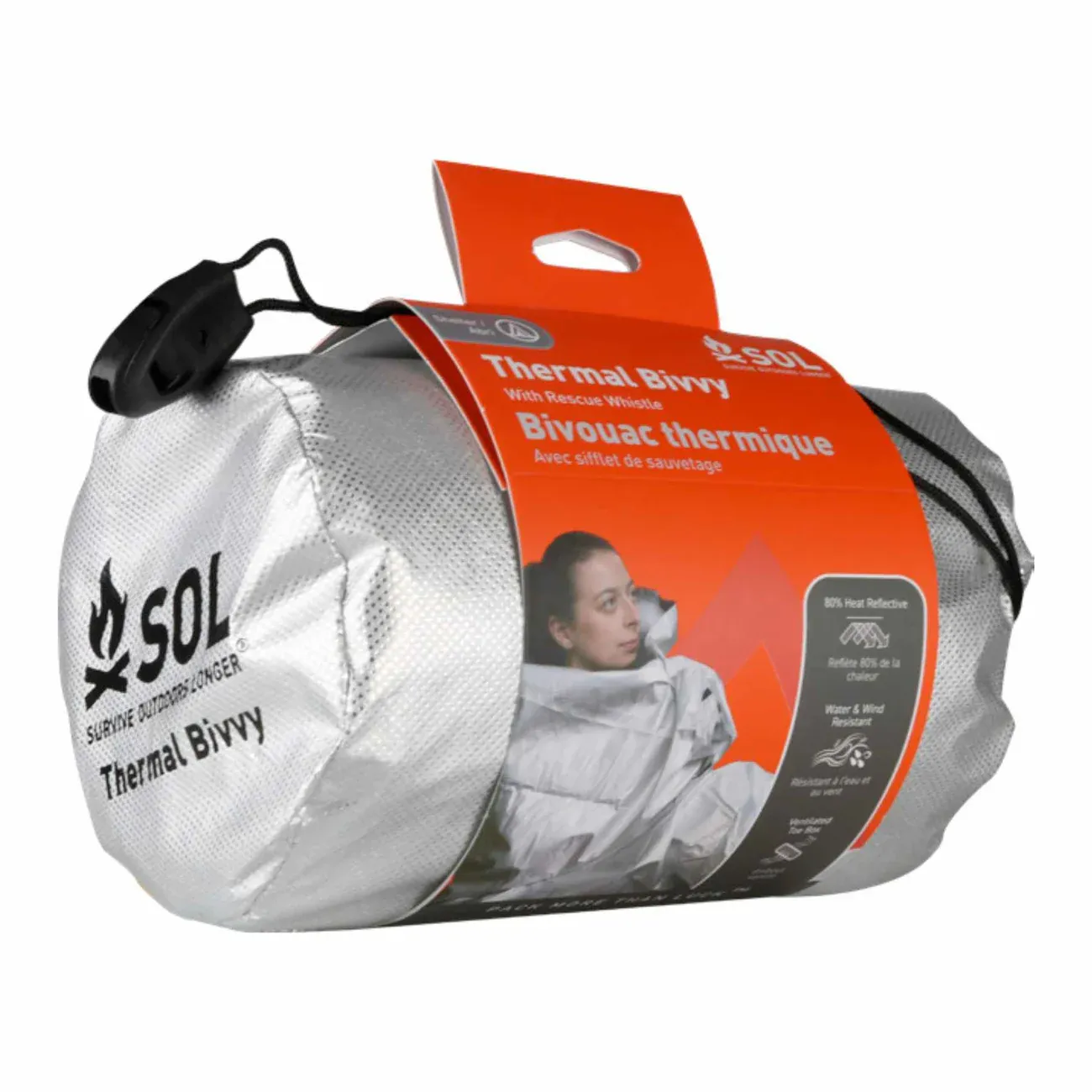
The Wirecutter highlighted Survive Outdoors Longer's Thermal Bivvy for its relative durability and ventilation, which many other emergency bivvys lack. At 8.9 ounces and $43.99, it is nearly twice the weight and cost of Survival Frog's Tact Bivvy, but should also last longer and provide more comfort.
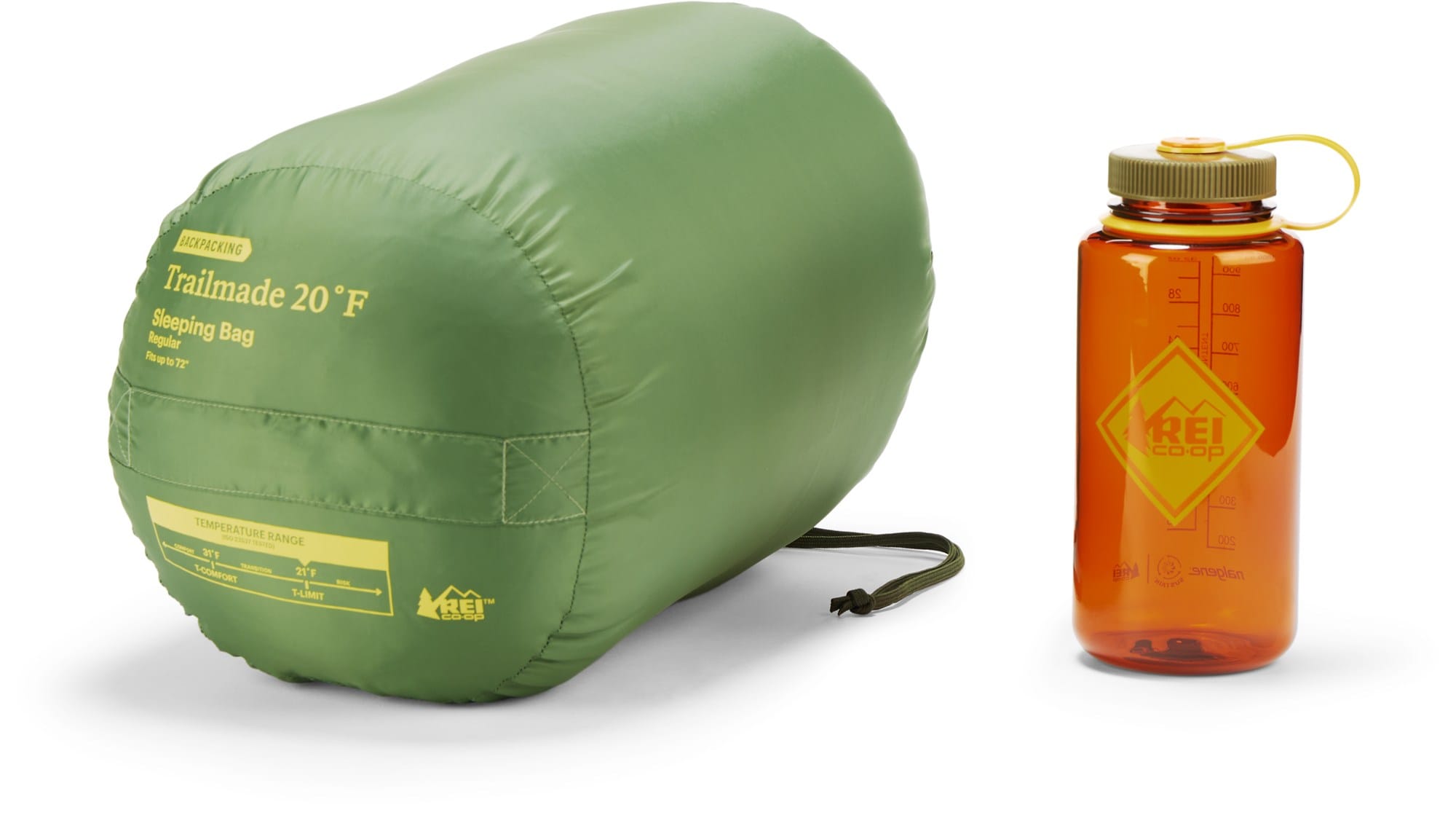
By comparison, a more standard sleeping bag like the REI Trailmade 20 ($82.93) weighs 57 ounces and will take up a significant chunk of any backpack.
However, none of this will be comfortable if you’re dealing with wildfire smoke, viruses, or air pollution. N95 masks can protect you from all of them.
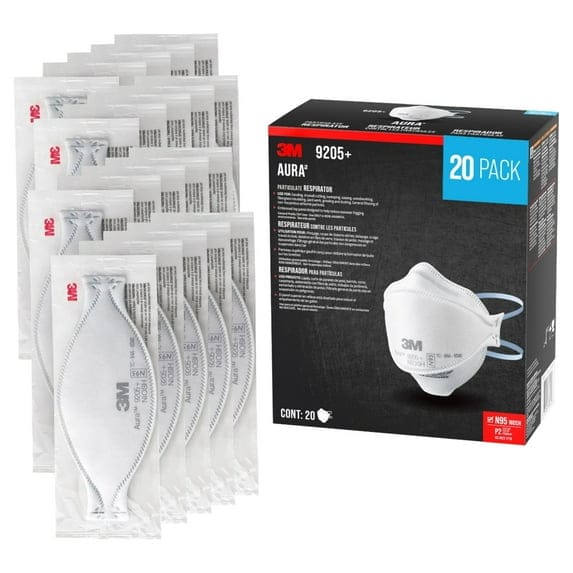
3M Aura N95 respirators provide a good fit on a wide variety of face shapes and sizes. Making sure a mask is well-fitting is crucial to its effectiveness. And the fact that these are individually packaged means you can easily stash them in different places or share them with others.
Documents and Finances

Though many people have stopped carrying cash in their daily lives, it can be necessary in an emergency situation. Don't just withdraw a bunch of twenties - a variety of small bills will make it possible to pay the exact amount you want when change is scarce.
Some parts of your go bag can't be purchased. These include copies of your important documents (drivers' licenses, passports, insurance cards, and property deeds) and a physical emergency contact list. Keep these documents in a Ziploc bag to reduce the possibility of water damage.
First Aid and Medications
In the event of an emergency, our medical infrastructure will likely be overwhelmed or simply inaccessible. This means handling minor injuries yourself.
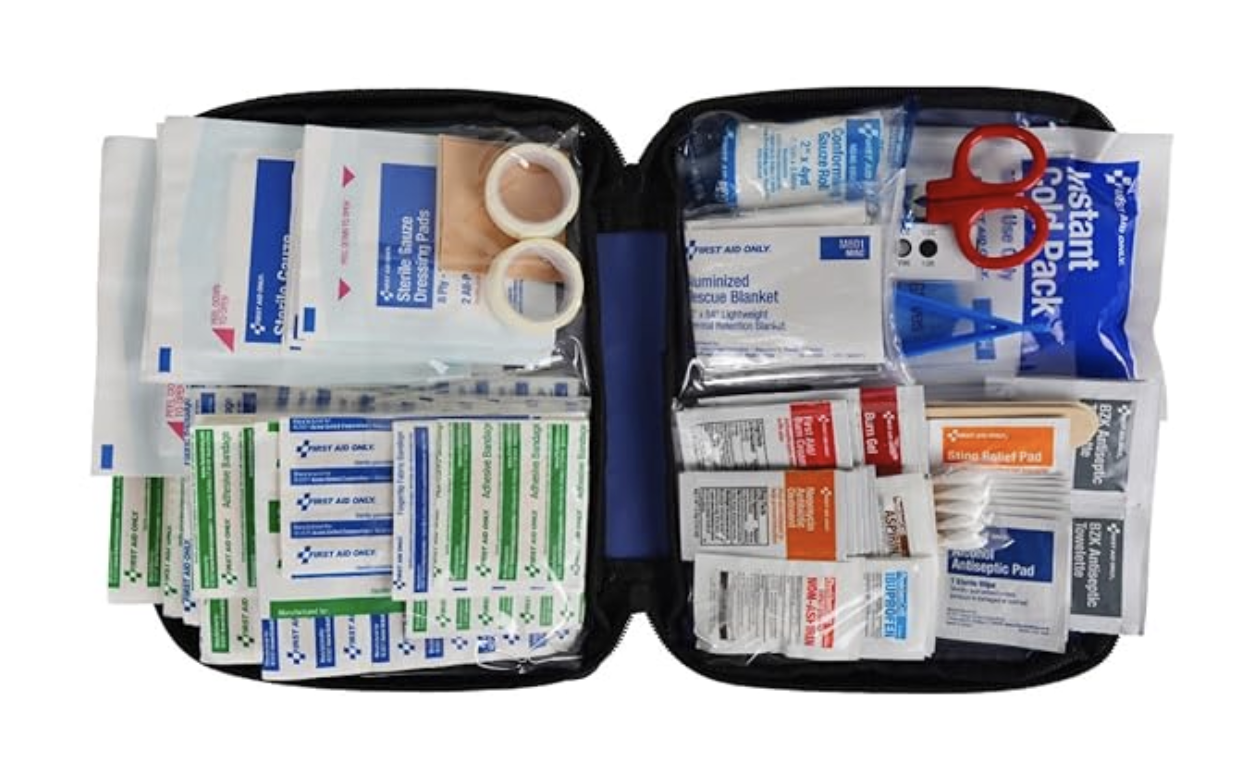
This $19 first aid kit contains an astounding 298 items, including bandages, antibiotic ointments, antiseptic wipes, gauze, burn cream, a cold pack, and a 37-page guide to first aid.

In addition to a generic first aid kit, you'll also want to pack at least three days' worth of any prescription medications you may need. Be sure to keep track of expiration dates.
This also extends to personal medical supplies like vision care or hearing aids. Every time I get a new pair of glasses, I put the old pair I just replaced into my go bag. This ensures that if something happens to my current pair, I'll still be able to see (relatively) well.
Communication and Light
When disaster strikes, staying informed and visible can be lifesaving. Cell towers may go down and power grids may fail, so you'll need alternatives to your smartphone.
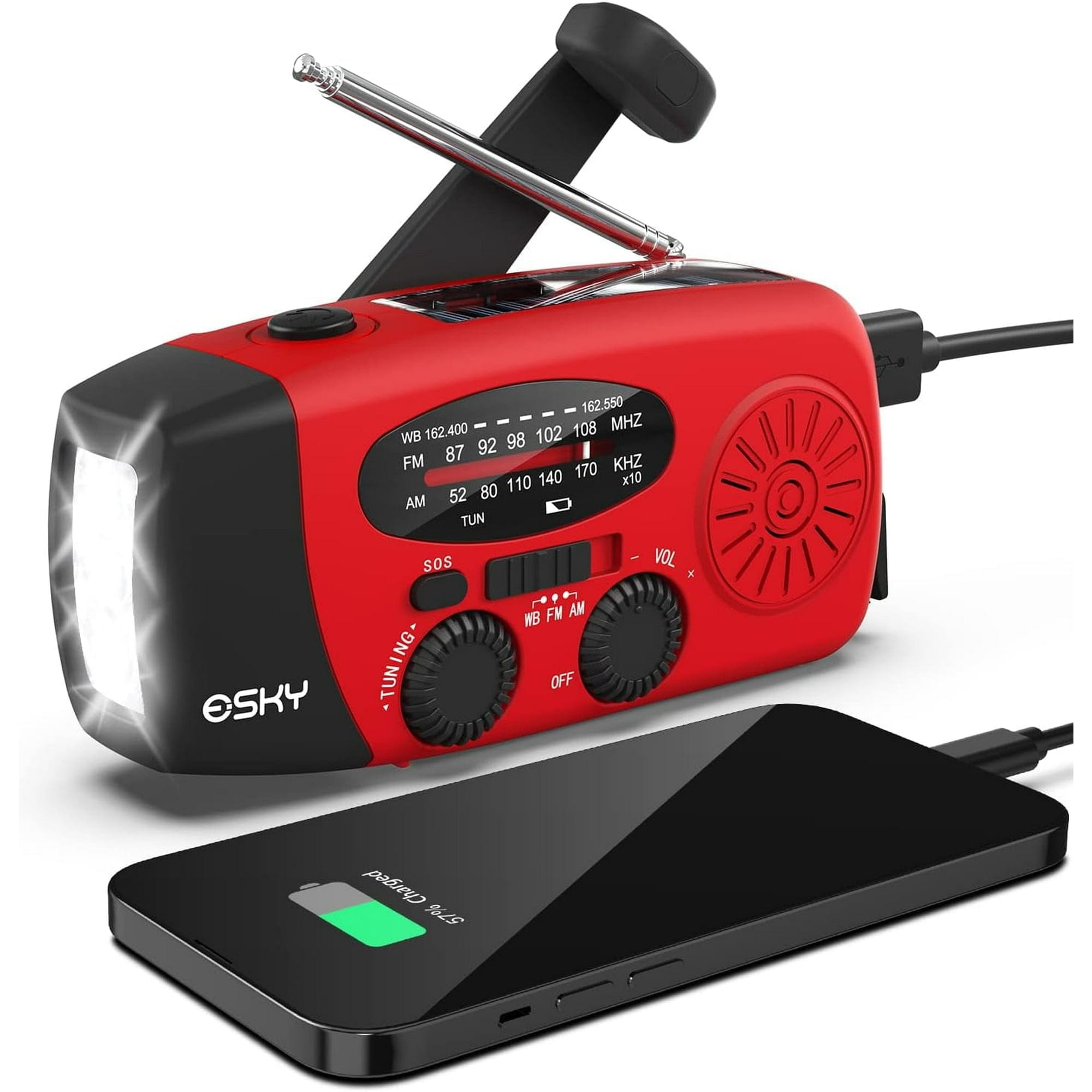
Emergency broadcasts will provide crucial information about evacuation routes, shelter locations, and ongoing threats. This Esky radio ($19.99), selected by Bob Vila as the best budget hand-crank radio, does not require batteries and can even charge your phone.
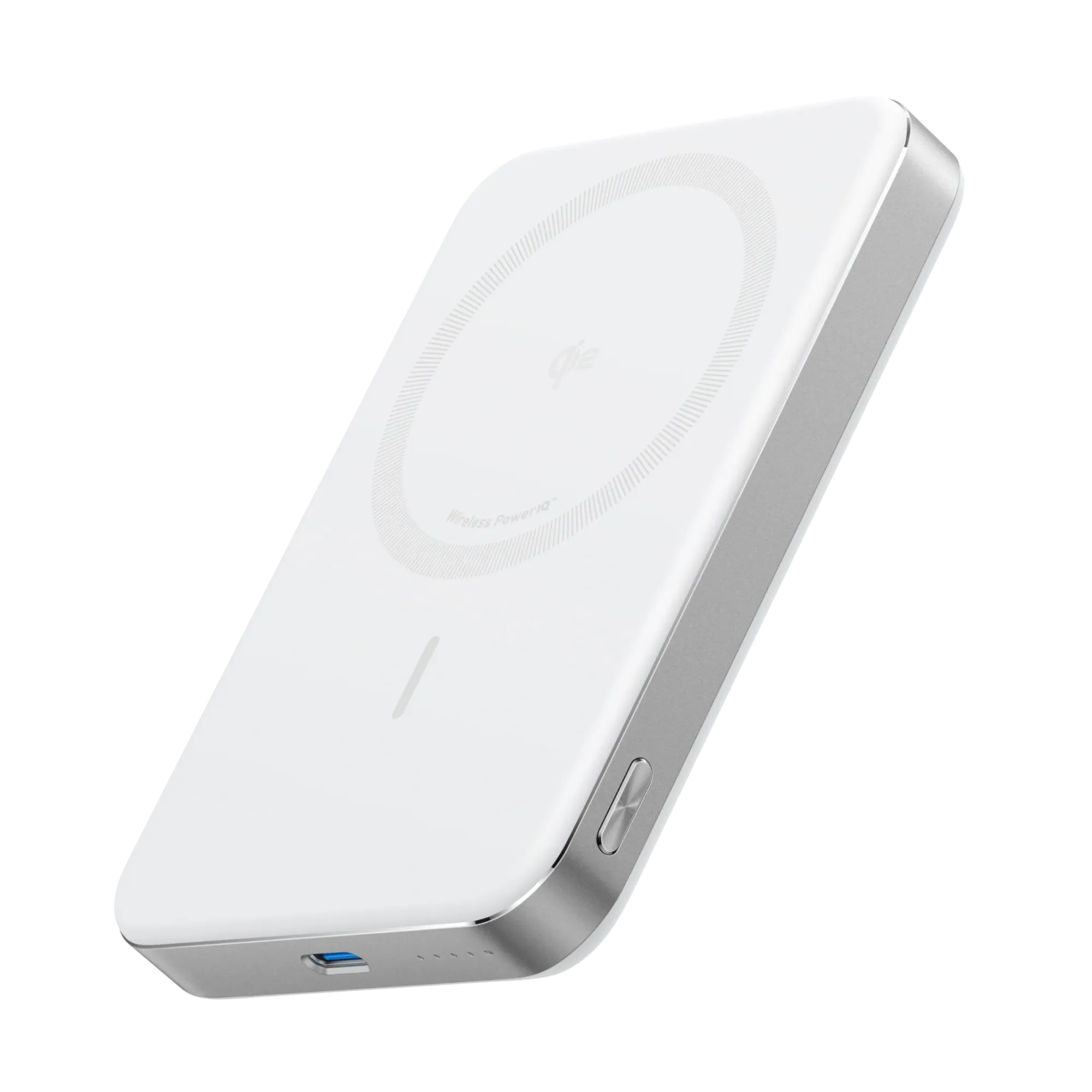
Keep a high-capacity power bank (at least 10,000 mAh) in your go bag and make sure it stays charged. Don't forget to include the charging cables for your devices too. I own the Anker 737 Power Bank ($109.99), which can charge three devices at once but at 22.2 ounces is heavier than I would like. I'd suggest something like the Anker MagGo Power Bank ($79.99), which is less powerful but weighs only 7.6 ounces and supports wireless charging.
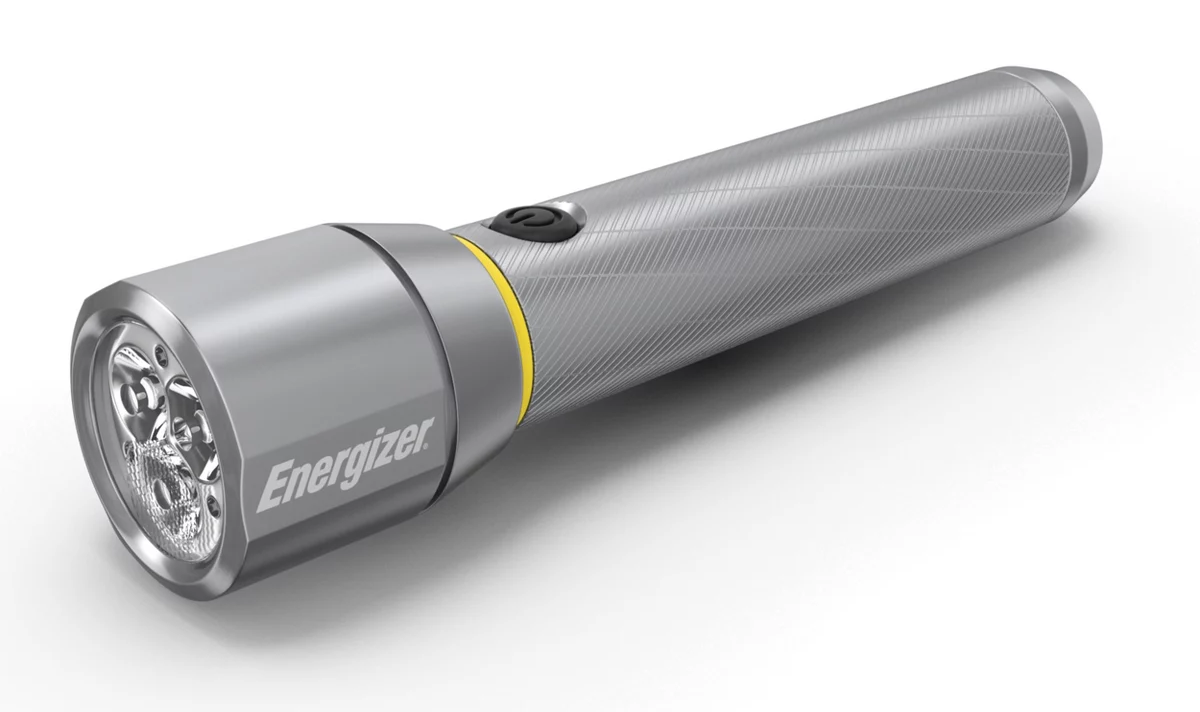
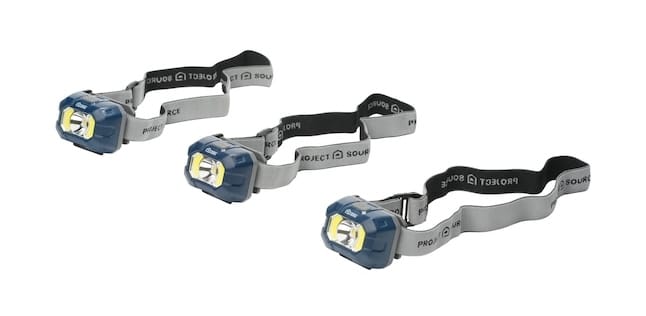
A reliable flashlight is non-negotiable. I recommend keeping both a handheld flashlight and a headlamp, which frees up your hands for other tasks. The Energizer Vision Flashlight ($24.99) is described by Consumer Reports as "extremely comfortable to hold and use." This Project Source headlamp 3-pack ($23.98) is Popular Mechanics' budget pick and lets you boost preparedness at your home, your car, your work, or wherever else you spend time.
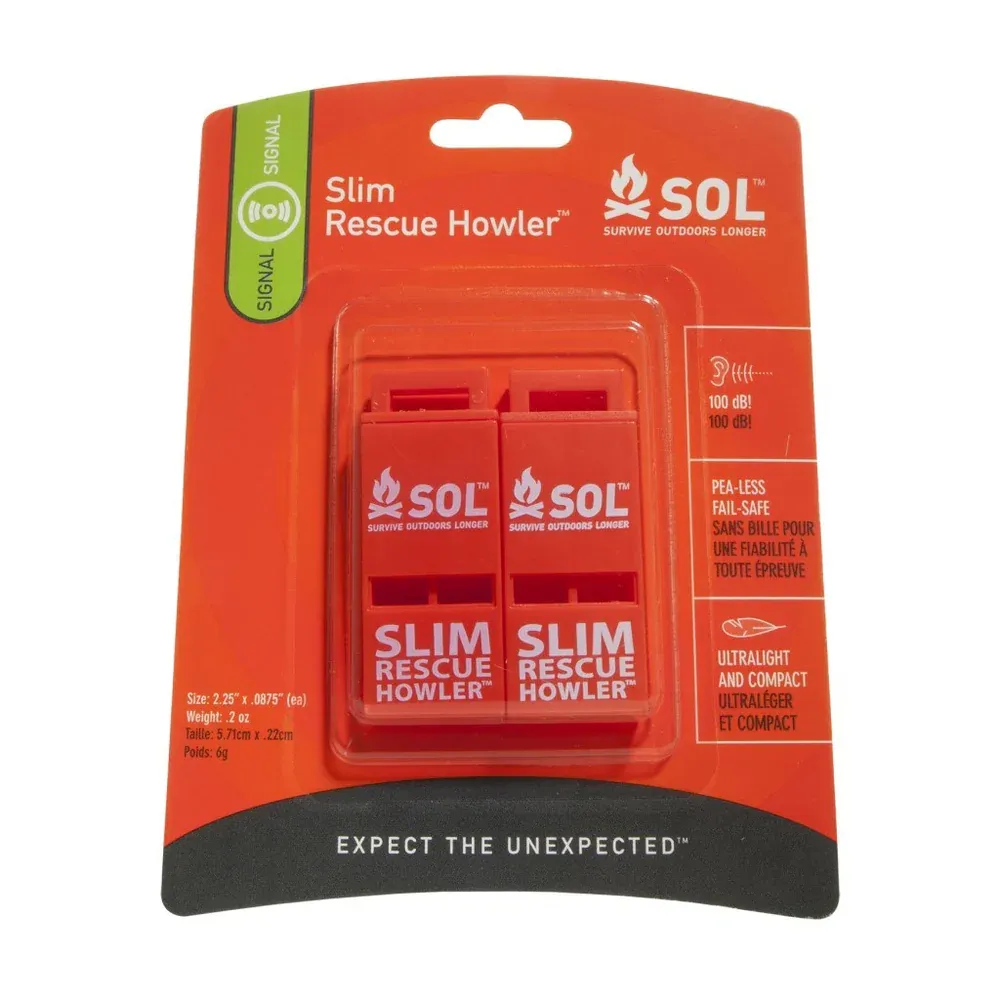
If you're trapped or injured, a whistle can signal for help far more effectively than shouting, which exhausts you quickly. The Survive Outdoors Longer Slim Rescue Howler Whistle 2-pack ($6.99) is audible from over a mile away. Blow three short blasts to signal that you're in distress. Repeat and try not to stop until you've heard a response, since rescuers may be using the sound to pinpoint your location.
Tools and Safety Items
The right tools can mean the difference between being helpless and being able to solve problems as they arise.
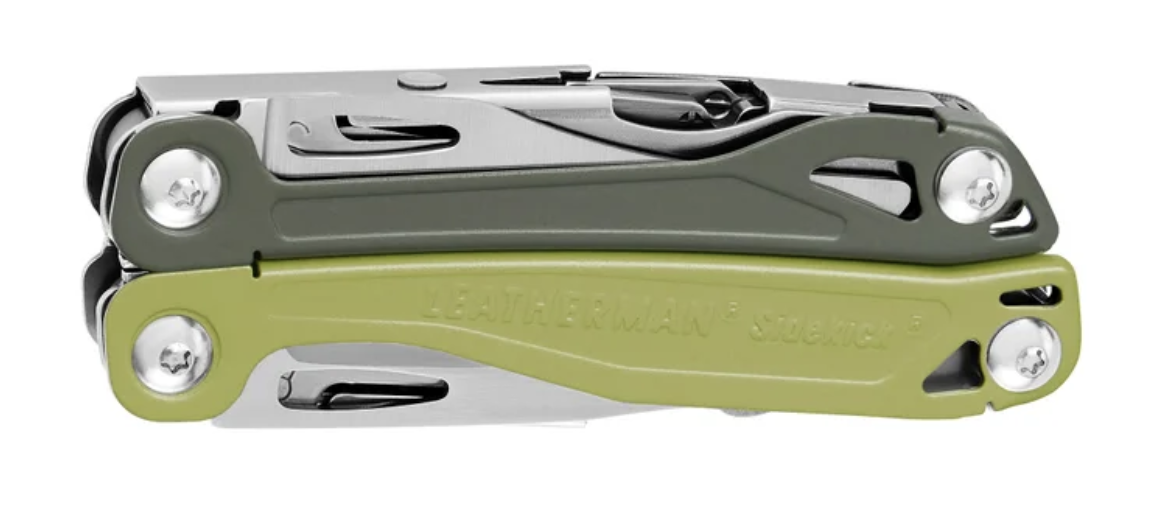
A quality multi-tool consolidates pliers, screwdrivers, can openers, and blades into one compact package. The Leatherman Sidekick (on sale at Costco* for $39.99, or at the Leatherman official site for $69.95 without the sheath) is a solid mid-range option that won't break the bank but will handle most tasks you'll encounter.
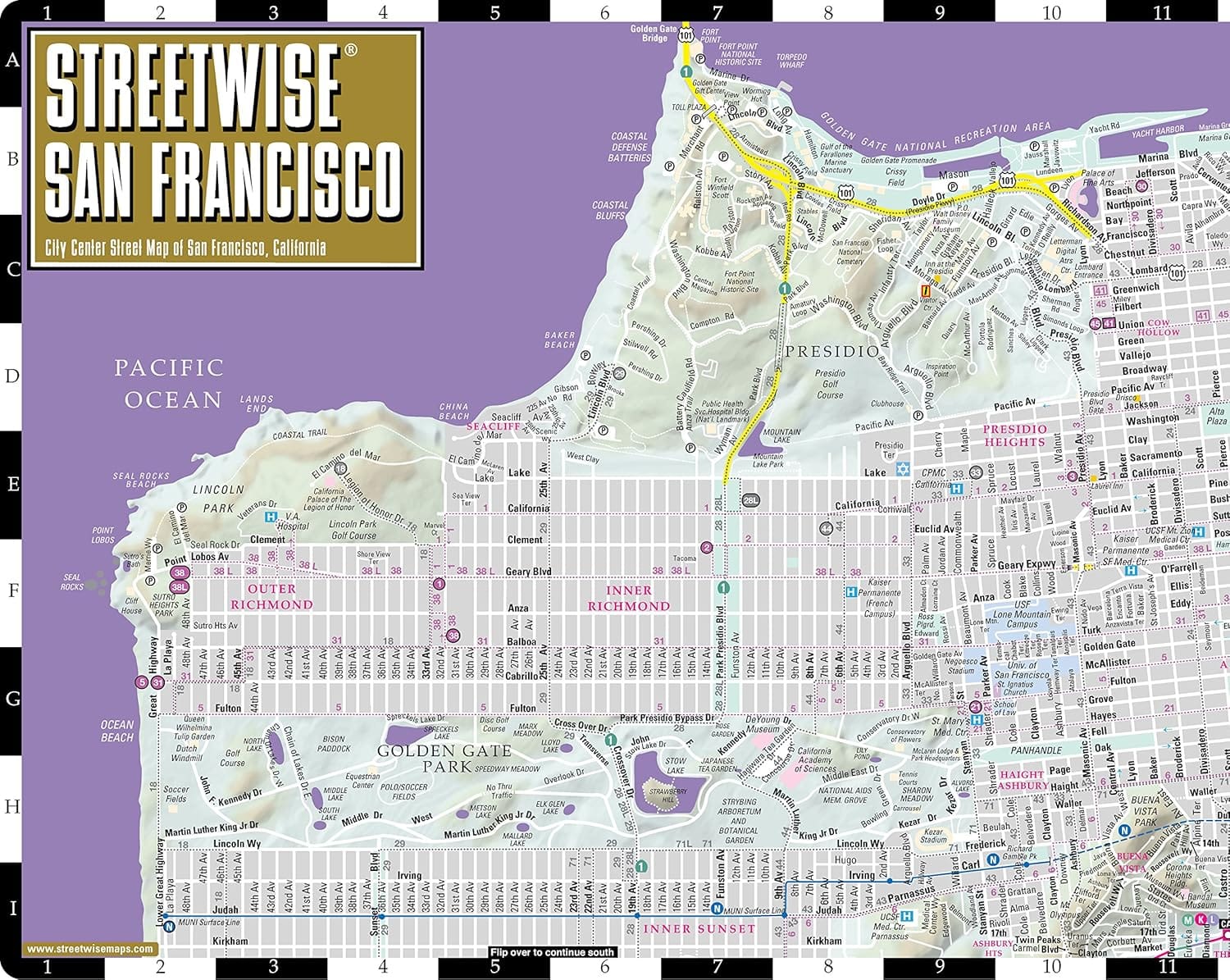
If cell service goes down or your phone dies, you'll need to navigate the old-fashioned way. This $7.95 map of San Francisco is laminated and foldable, making it perfect for navigating in rain or floods.
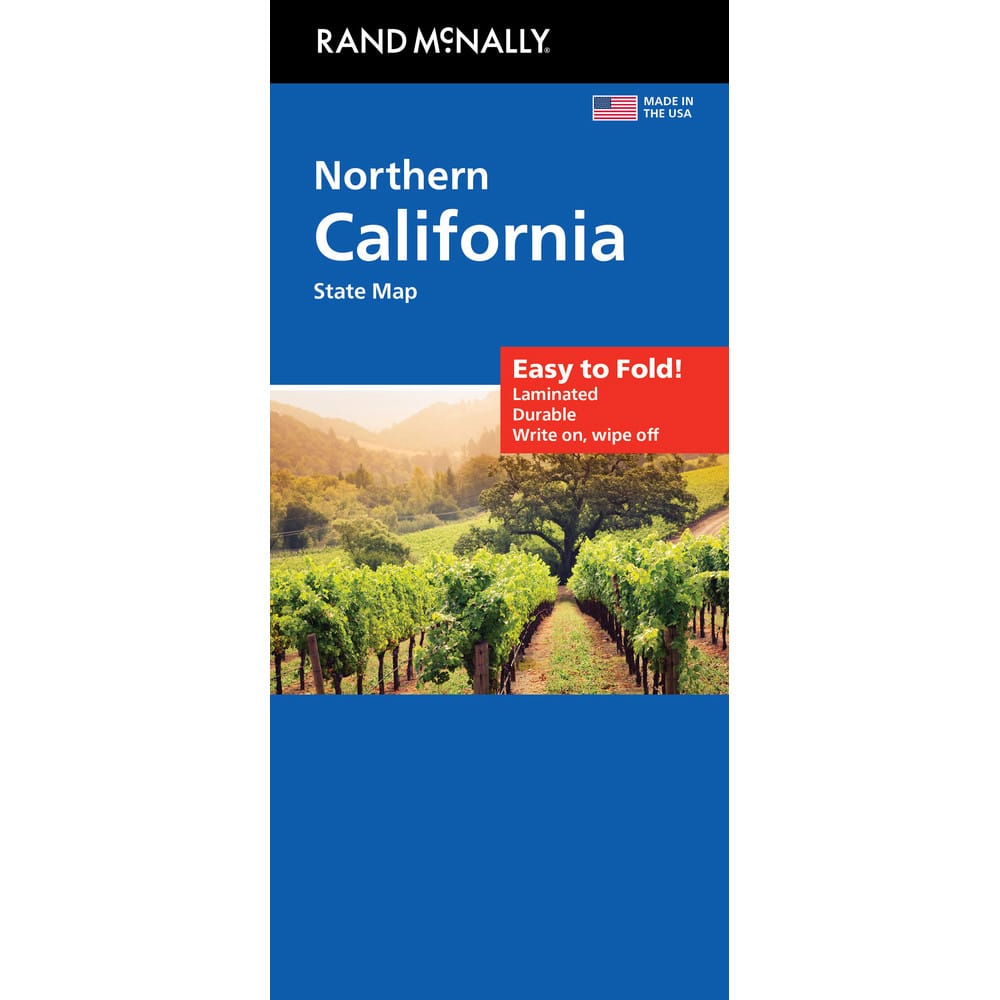
This $10.99 map of Northern California is laminated and foldable as well.
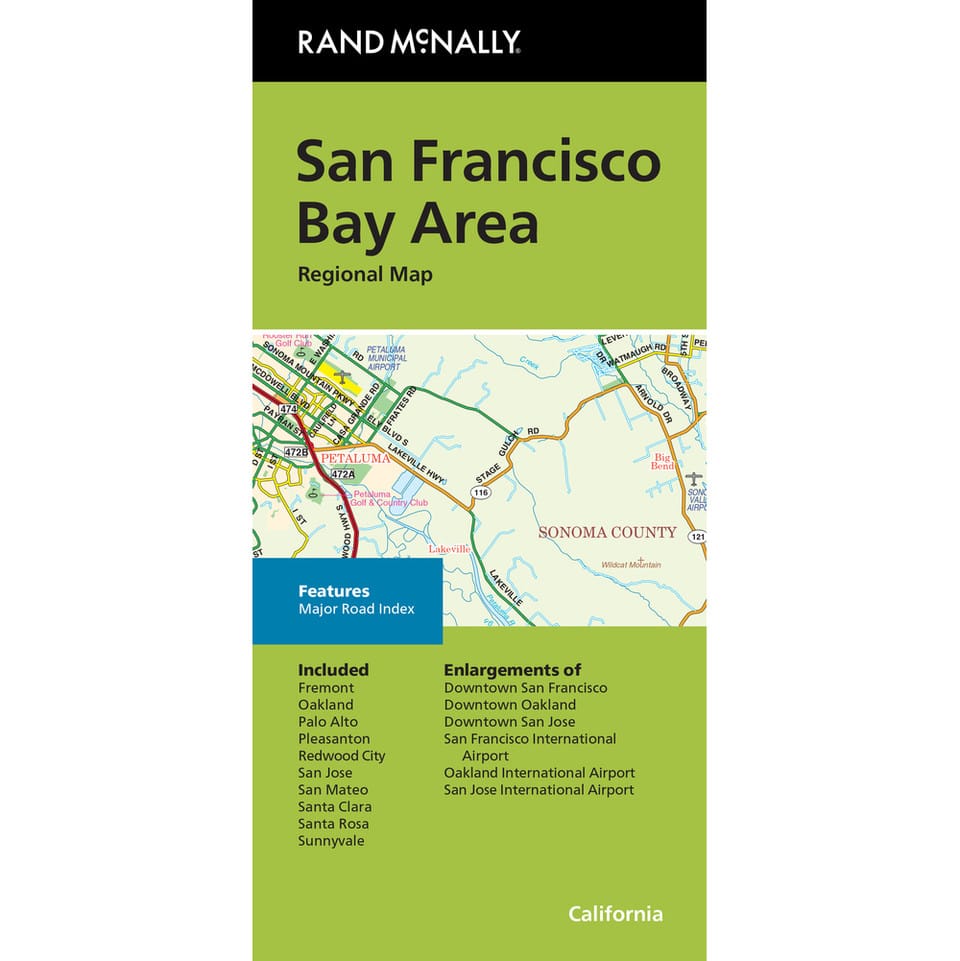
Unfortunately, I wasn't able to find recently updated laminated folding maps for Bay Area besides San Francisco, so regular paper maps like the $9.99 Rand McNally San Francisco Bay Area Folded Regional Map will have to do.
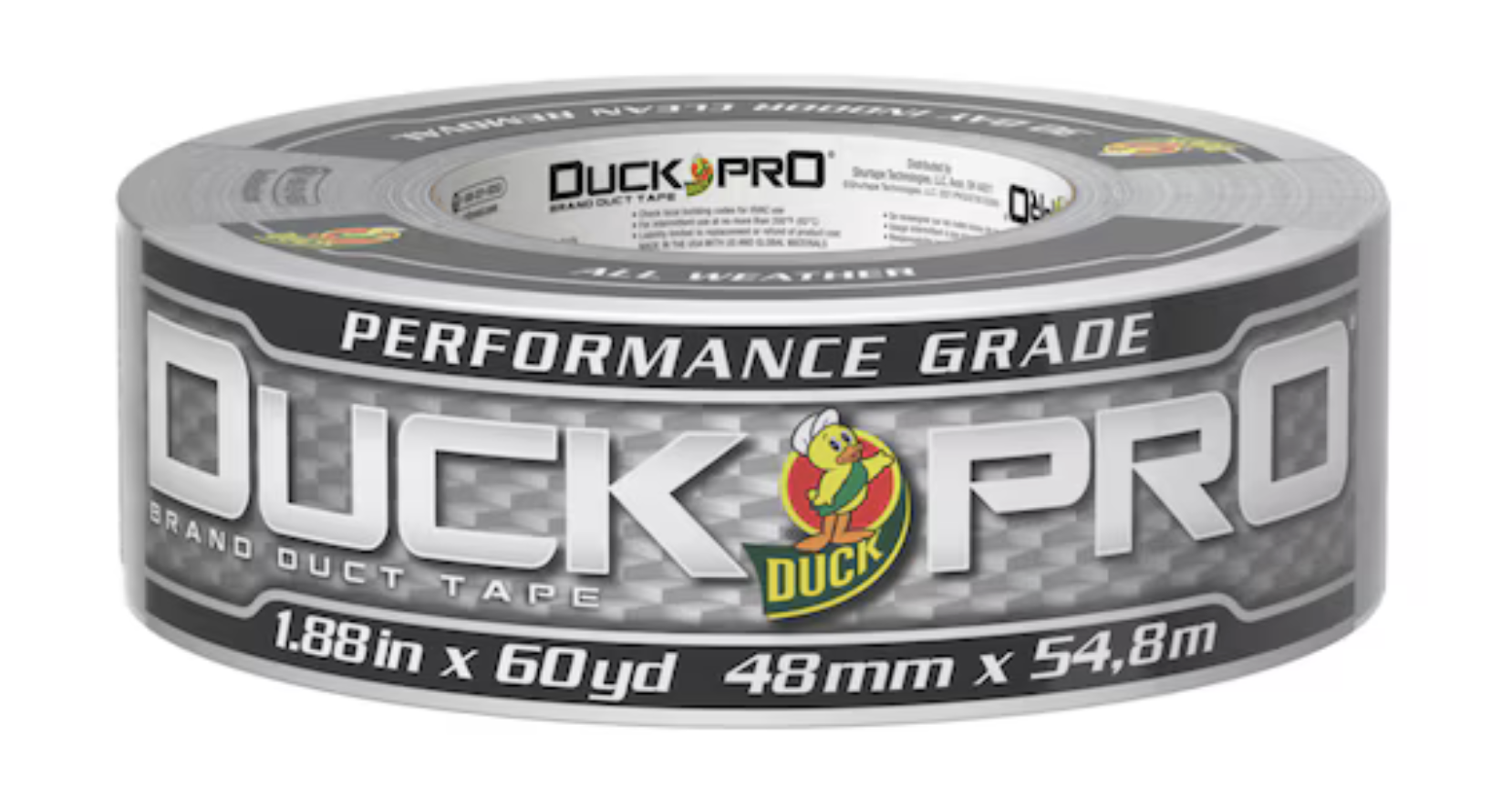
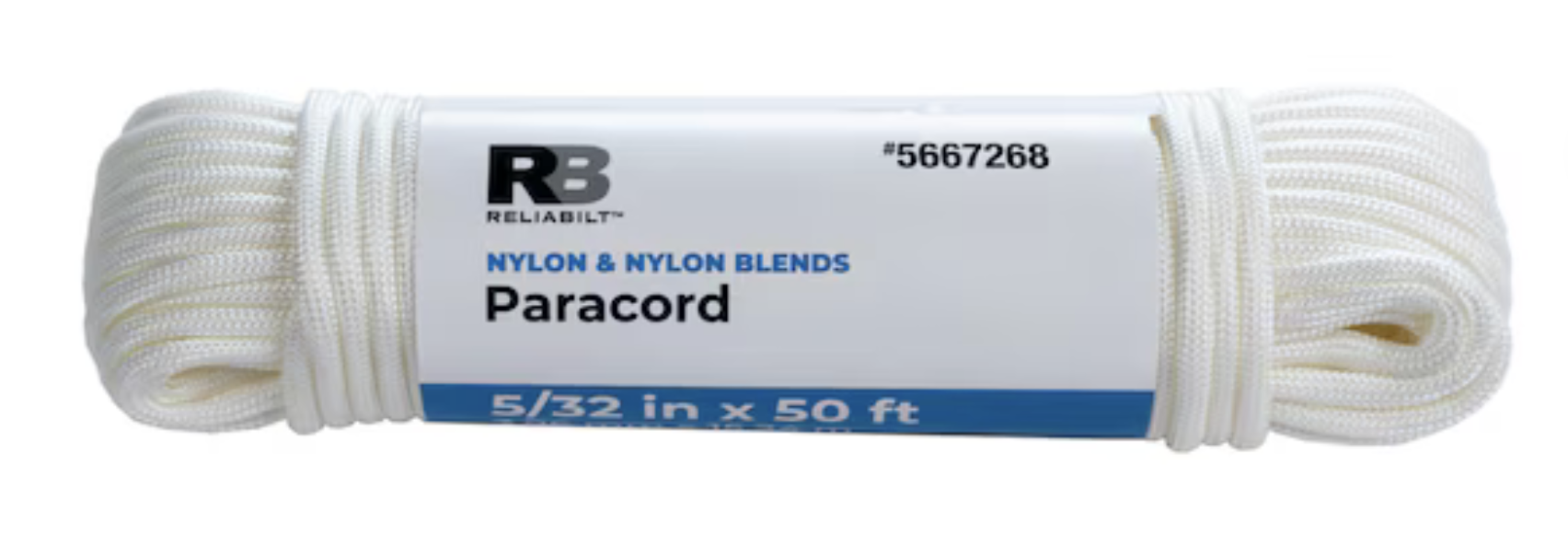
Duct tape and paracord are universal problem-solvers. Duct tape ($6.98) can patch torn gear, seal bags, create splints, and mark trails. Paracord ($6.98) can secure tarps, repair broken straps, or even be unraveled for its inner strands to use as thread.
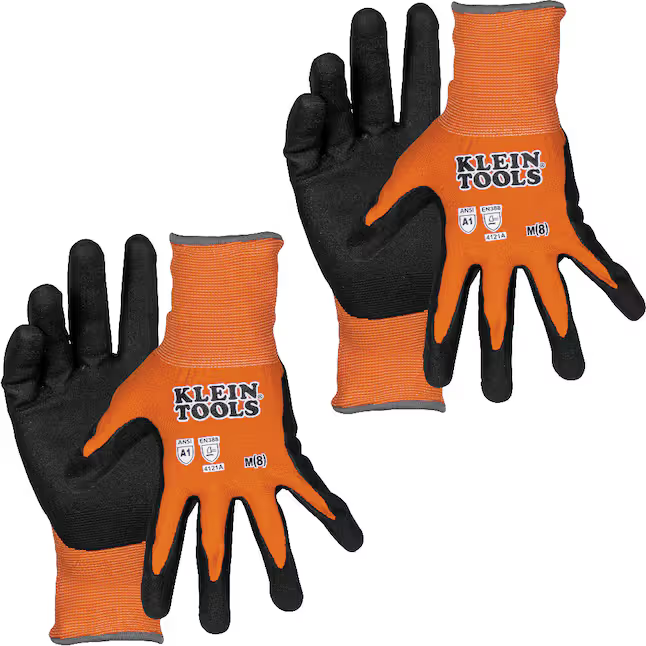
Disasters create hazards like broken glass, sharp metal, and splintered wood. These Klein Tools Knit Dipped Gloves ($12.98 for a 2-pack) protect your hands so you can move debris, set up shelter, and still look up things on your phone.
Hygiene and Sanitation
In the chaos of an emergency, hygiene often gets overlooked, but maintaining basic sanitation prevents illness and infection when medical help may be unavailable.
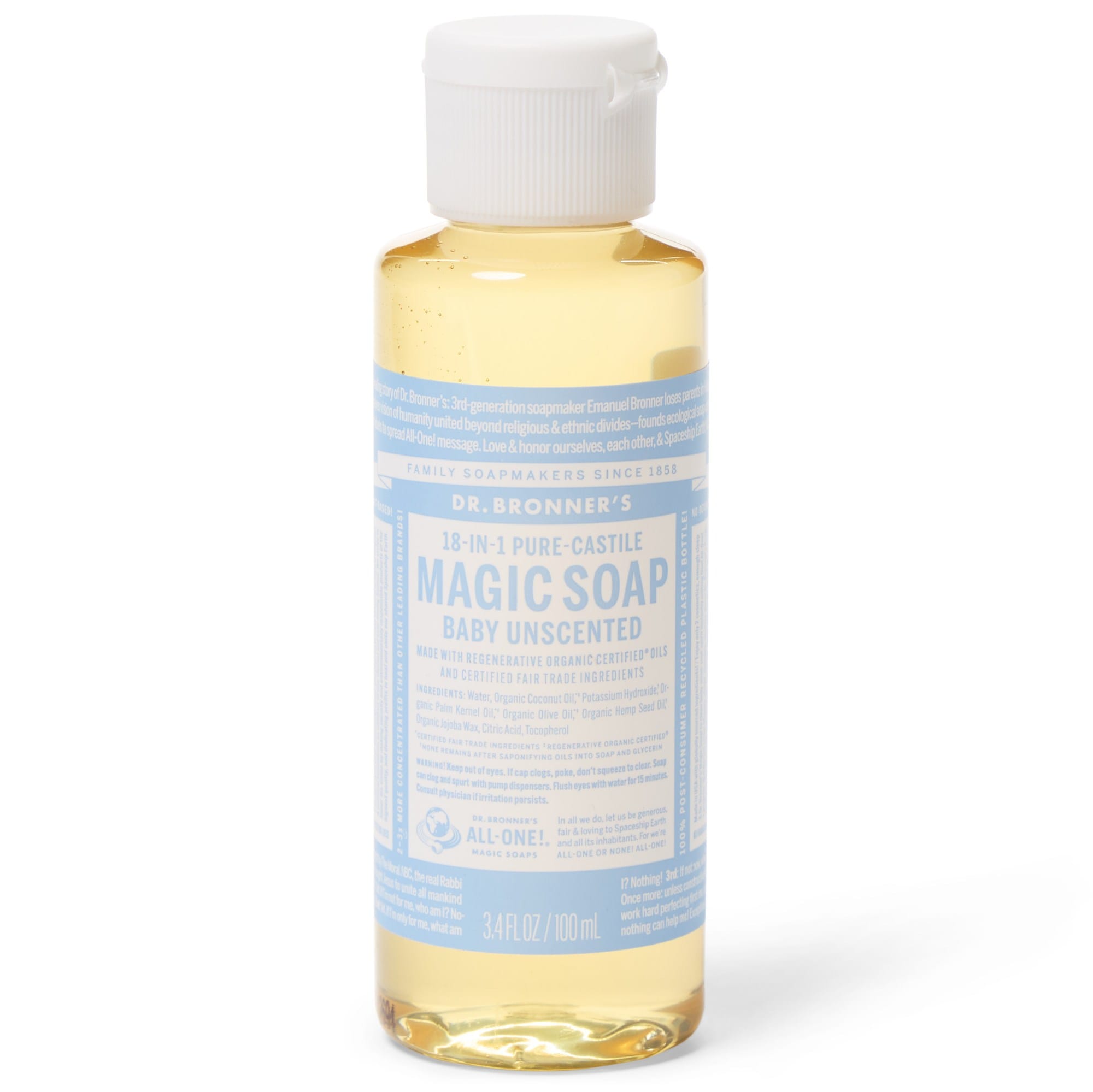
Pack travel-sized versions of a toothbrush, toothpaste, deodorant, and other daily essentials. A small bottle of biodegradable soap like Dr. Bronner's ($4.50) can serve as body wash, dish soap, and even laundry detergent.
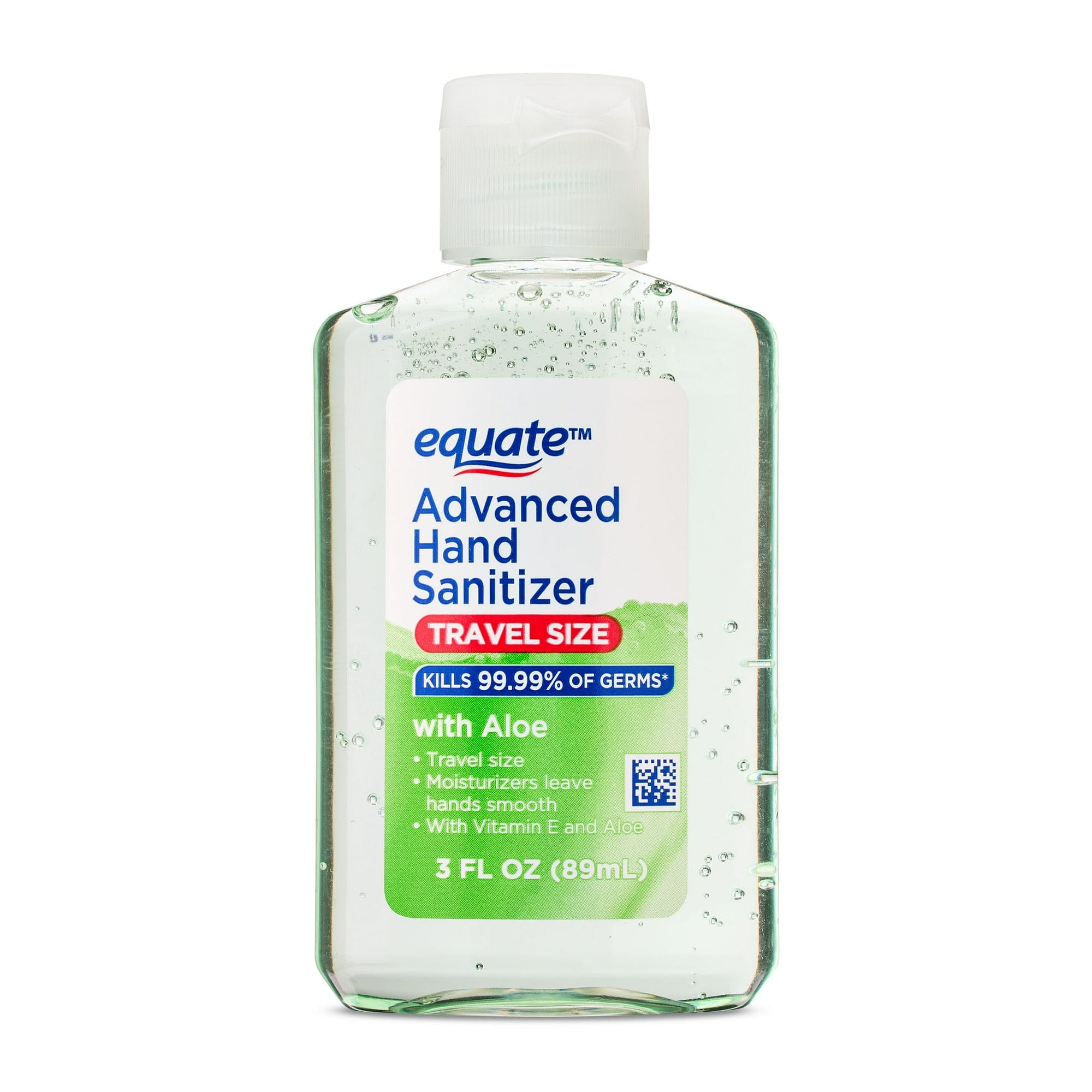
When clean water is scarce, alcohol-based hand sanitizer like Equate Advanced Hand Sanitizer ($1.42) is your best defense against germs.
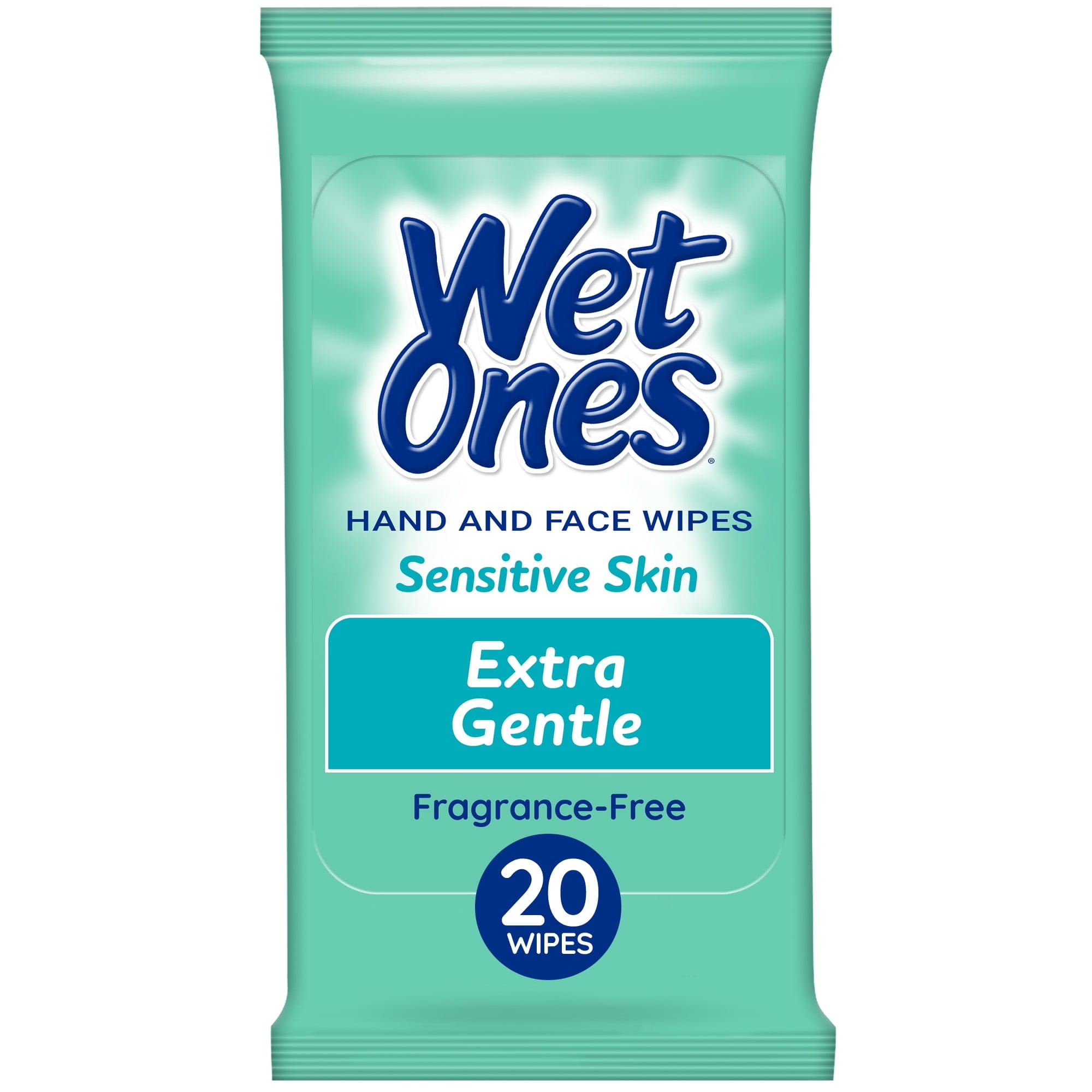
A partial roll of toilet paper in a Ziploc bag takes up minimal space. Wet wipes like Wet Ones Sensitive Skin Hand and Face Wipes ($2.00) are incredibly versatile. They can be used for personal hygiene, cleaning surfaces, and even a makeshift bath when water is limited.

Pack enough menstrual products for at least one cycle. I didn't include any recommendations here because if you already use these, you know what works best for your body.
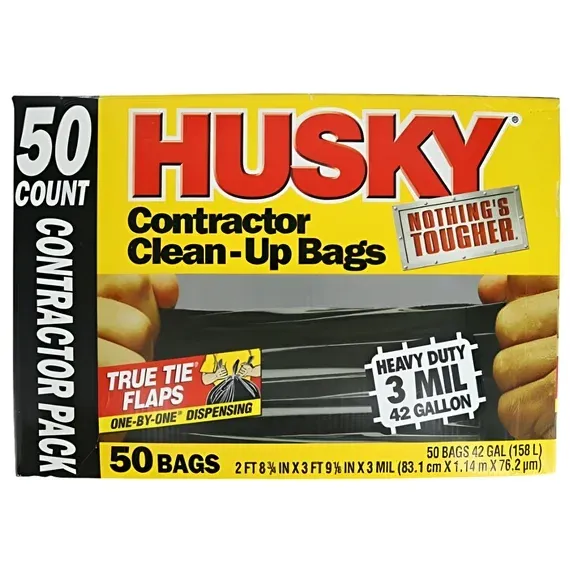
Heavy-duty trash bags serve multiple purposes: waste disposal, waterproofing gear, emergency rain ponchos, or even ground cover. Husky Contractor Clean-Up Bags ($41.96) are 3 millimeters thick and very durable.
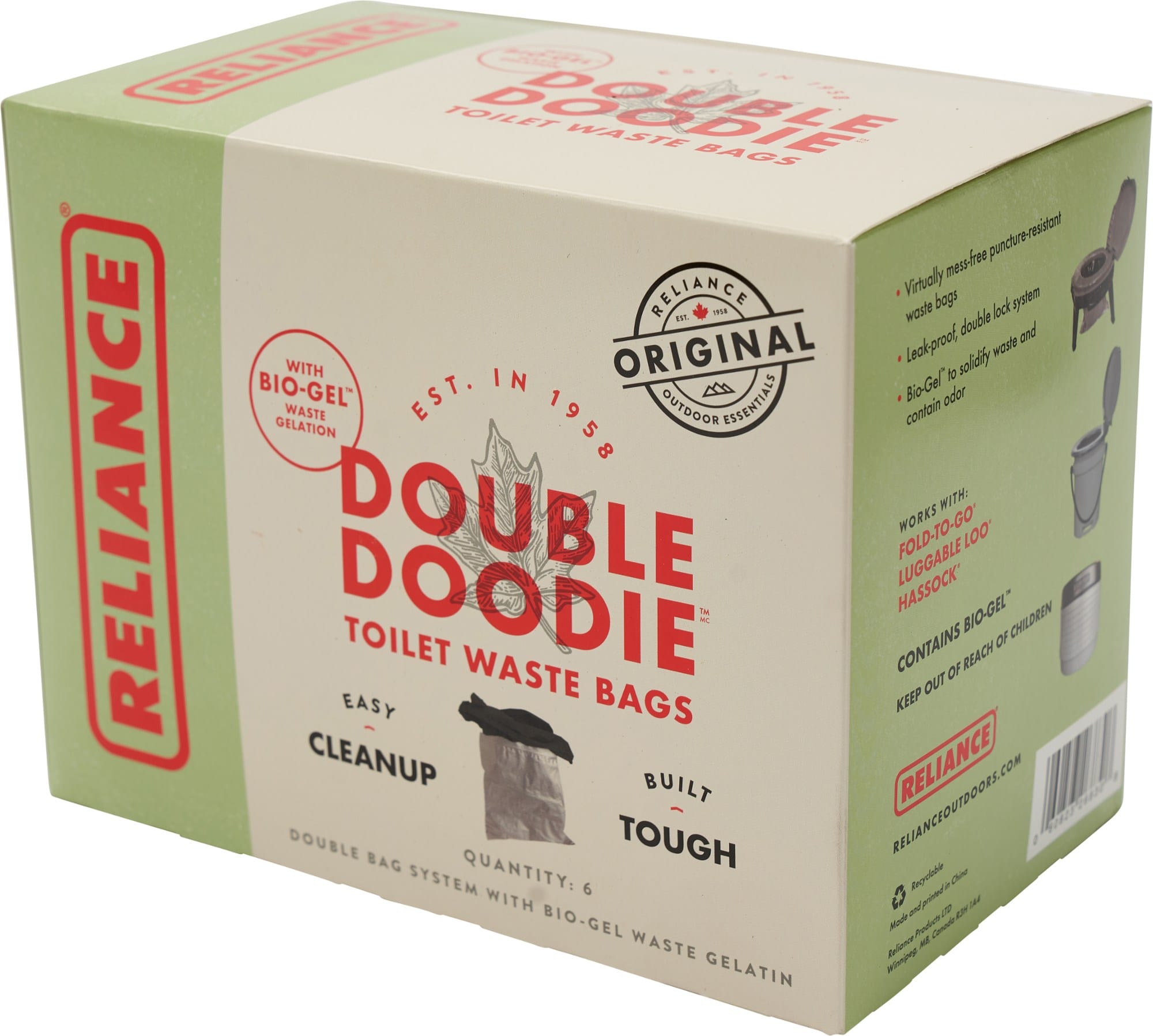
For human waste specifically, consider portable toilet bags with gel that solidifies liquid waste and controls odor. Double Doodie Waste Bags with Bio-Gel ($17.95) are designed to work with a portable toilet ($21.95) but can be used on their own.
In Conclusion
A solid go bag can help you prepare to face a wide variety of hazardous situations. If this list seems intimidatingly long, remember that it's okay to start small and get a few things at a time. Stumble across some protein bars in the back of your pantry? Throw them into your go bag! Found a sweater you don't wear often but still has plenty of life in it? Keep it in your go bag! It doesn't need to be perfect right away. Having some gear on hand is still much better than having nothing, and over time you'll get a better sense of what's missing. The most important thing is just getting started.
*Though Costco is a members-only club, non-members can purchase from their website with a 5% surcharge. Their prices on the items I've selected are still substantially less at Costco than at other retailers.
